Luxury perfume begins in tropical soil and ends in a French bottle. From the story of Chanel No. 5 to the journey of ingredients like ylang-ylang, patchouli, and sandalwood, we reveal how flowers from Southeast Asia helped shape the scent of modern luxury.
Perfume is a strange human habit.
We take flowers that lived perfectly good lives minding their own business, boil them alive, squeeze out their ghosts, mix the ghosts with alcohol, and spray the result on our necks before dinner.
And somehow this became luxury.
For more than a century, one particular ghosts mixture has dominated the world: Chanel No. 5.
Created for Coco Chanel by perfumer Ernest Beaux, the fragrance was revolutionary for its time. Instead of smelling like a single flower, it smelled like something more mysterious. A composition rather than a bouquet.
A little floral.
A little powdery.
A little clean.
A little suspiciously seductive.
No one could quite explain it.
Which, of course, made everyone want it.
For over a century the perfume has drifted through hotel lobbies, opera houses, boardrooms, and the occasional wrist of someone who bought it at duty free because they suddenly felt glamorous.
It smells elegant.
It smells timeless.
It smells unmistakably French.
Except that parts of it are not French at all.
We take flowers that lived perfectly good lives minding their own business, boil them alive, squeeze out their ghosts, mix the ghosts with alcohol, and spray the result on our necks before dinner.
And somehow this became luxury.
For more than a century, one particular ghosts mixture has dominated the world: Chanel No. 5.
Created for Coco Chanel by perfumer Ernest Beaux, the fragrance was revolutionary for its time. Instead of smelling like a single flower, it smelled like something more mysterious. A composition rather than a bouquet.
A little floral.
A little powdery.
A little clean.
A little suspiciously seductive.
No one could quite explain it.
Which, of course, made everyone want it.
For over a century the perfume has drifted through hotel lobbies, opera houses, boardrooms, and the occasional wrist of someone who bought it at duty free because they suddenly felt glamorous.
It smells elegant.
It smells timeless.
It smells unmistakably French.
Except that parts of it are not French at all.
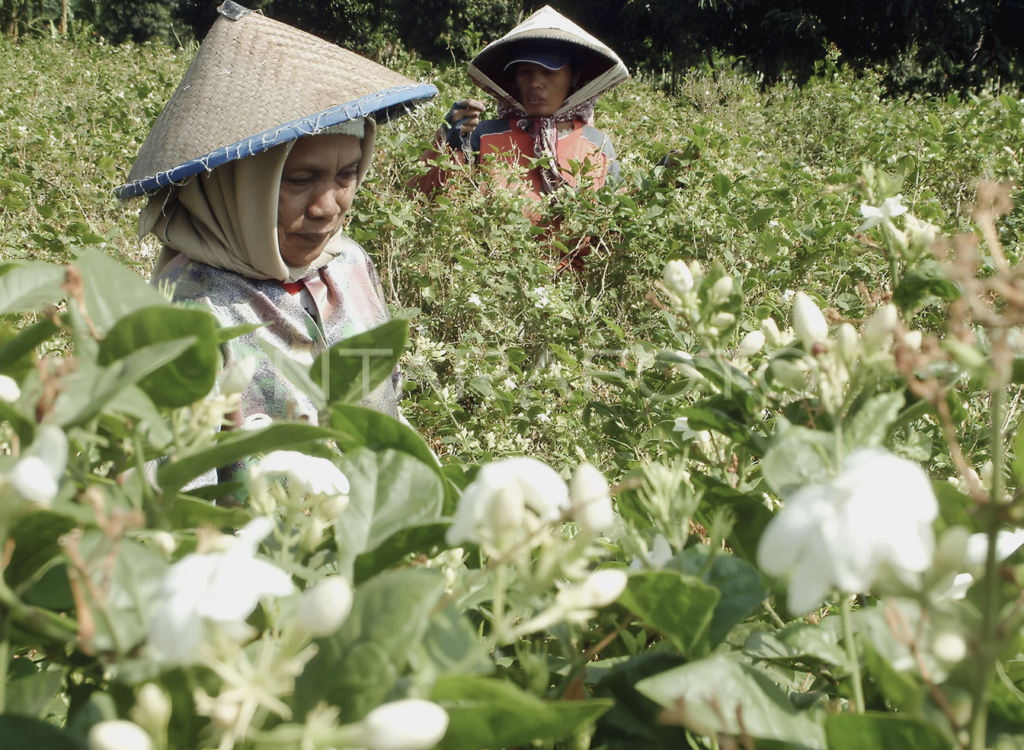
One of the key notes is ylang-ylang, a tropical flower native to Southeast Asia, including Indonesia. The scent is rich and creamy, almost intoxicating, like jasmine that spent a semester abroad and came back more interesting.
Distilled into oil, ylang-ylang gives perfume warmth and depth.
In other words, one of the pillars of French elegance smells like the tropics.
And it is not alone.
Look closely at classic perfumery and you start to notice a pattern. Many of the ingredients that built the luxury fragrance industry grew nowhere near Paris.
Patchouli travelled from Southeast Asia through centuries of spice trade.
Vetiver thrived in tropical soil long before it entered perfume laboratories.
Sandalwood perfumed temples across Asia long before it perfumed department stores.
These ingredients were not invented in France.
They were harvested, traded, distilled, studied, blended, and eventually turned into something else entirely.
Which reveals a quiet truth about luxury industries.
The West often didn’t invent the ingredients.
They industrialized them.
They packaged them.
They globalized them.
Perfume is a perfect example.
Distilled into oil, ylang-ylang gives perfume warmth and depth.
In other words, one of the pillars of French elegance smells like the tropics.
And it is not alone.
Look closely at classic perfumery and you start to notice a pattern. Many of the ingredients that built the luxury fragrance industry grew nowhere near Paris.
Patchouli travelled from Southeast Asia through centuries of spice trade.
Vetiver thrived in tropical soil long before it entered perfume laboratories.
Sandalwood perfumed temples across Asia long before it perfumed department stores.
These ingredients were not invented in France.
They were harvested, traded, distilled, studied, blended, and eventually turned into something else entirely.
Which reveals a quiet truth about luxury industries.
The West often didn’t invent the ingredients.
They industrialized them.
They packaged them.
They globalized them.
Perfume is a perfect example.
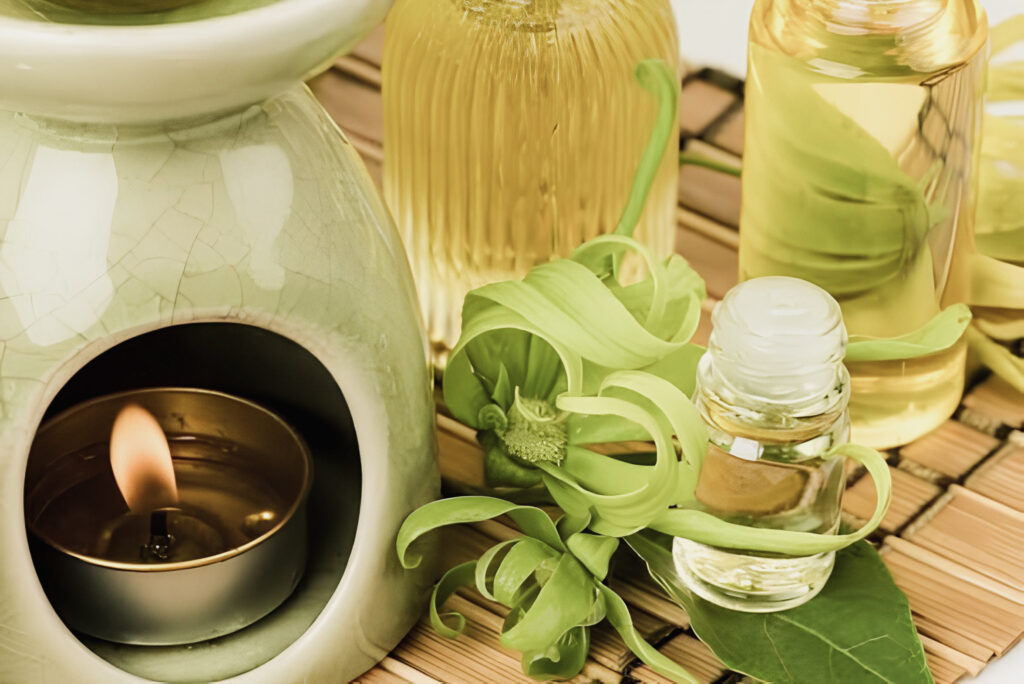
In places like Grasse, perfumers built laboratories capable of turning dozens of raw materials into intricate compositions. Chemistry entered the equation. Synthetic molecules appeared. Suddenly perfume no longer smelled like a single flower.
It smelled like an idea.
Like music.
The flowers became instruments.
The perfumer became the composer.
And once the composition was finished, the final step arrived:storytelling.
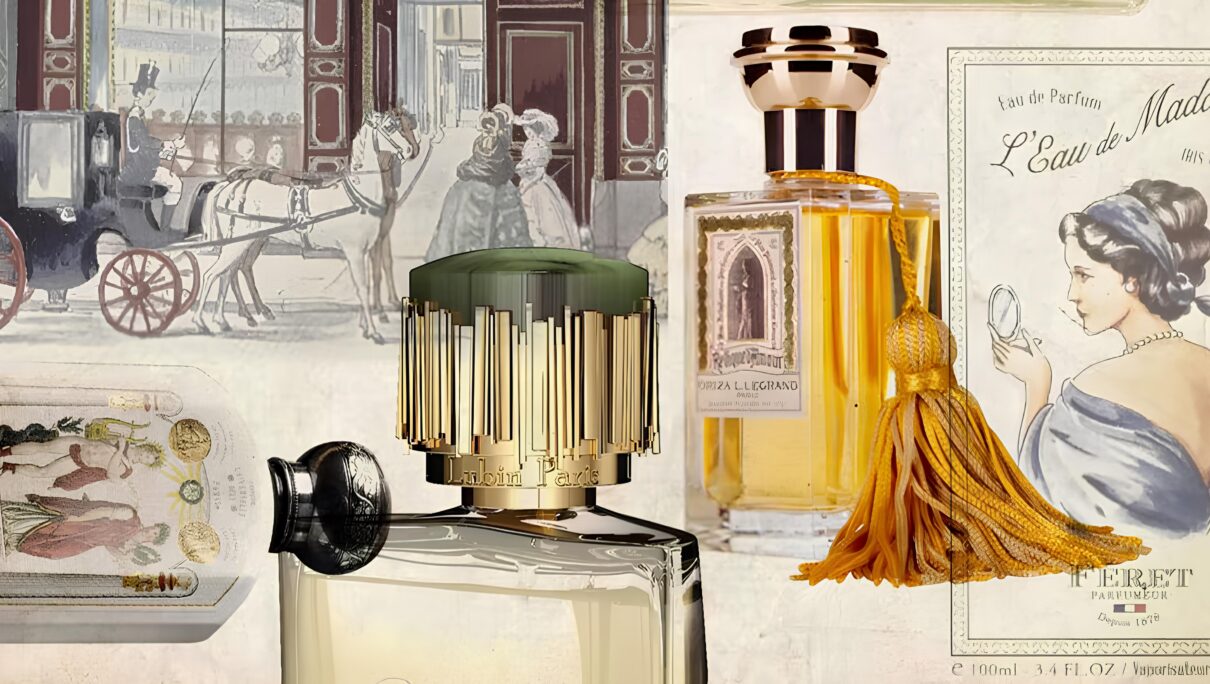
The bottle was designed.
The campaign was photographed.
A myth was created.
Now the perfume no longer smelled like a tropical flower.
It smelled like Paris.
Which is impressive when you think about it.
A product can begin in humid tropical soil, travel through European laboratories, and end up symbolizing Parisian elegance on a wrist in New York.
That is not just chemistry.
That is branding.
It smelled like an idea.
Like music.
The flowers became instruments.
The perfumer became the composer.
And once the composition was finished, the final step arrived:
The bottle was designed.
The campaign was photographed.
A myth was created.
Now the perfume no longer smelled like a tropical flower.
It smelled like Paris.
Which is impressive when you think about it.
A product can begin in humid tropical soil, travel through European laboratories, and end up symbolizing Parisian elegance on a wrist in New York.
That is not just chemistry.
That is branding.
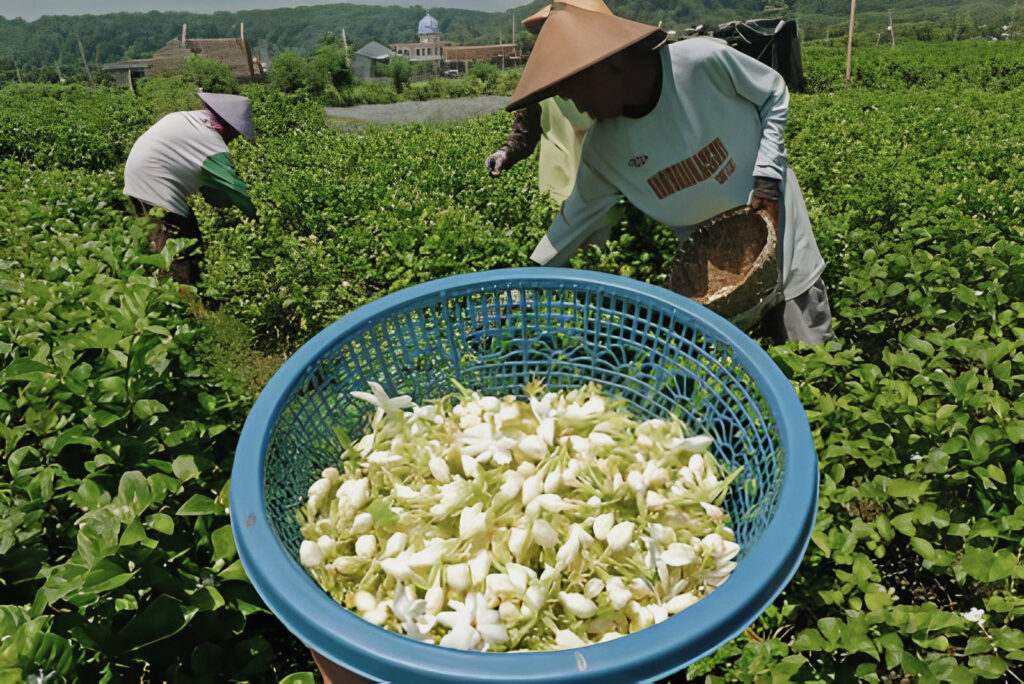
To be fair, this is not theft. It is transformation. Raw materials become compositions. Compositions become luxury. Luxury becomes identity.
Still, it creates an interesting paradox.
The ingredients often come from places that rarely appear on the label.
And yet those places are doing half the work.
Somewhere in Southeast Asia, a flower blooms under a heavy tropical sun. A farmer harvests it. The scent is distilled, shipped across oceans, blended with dozens of other notes, and sealed inside a glass bottle with a minimalist label.
Years later someone sprays the finished product before walking into a gala.
They inhale.
“Ah,” they say.
“It smells so French.”
Which is funny, when you think about it.
Because behind one of the most iconic symbols of European luxury, there is quietly a whisper of Asia.
Sometimes that whisper even comes from Indonesia.
And technically, they are not wrong.
But if that tropical flower could talk, it might politely clear its throat.
Luxury perfume may wear a Parisian suit.
But its soul… still belongs to the tropics.
Still, it creates an interesting paradox.
The ingredients often come from places that rarely appear on the label.
And yet those places are doing half the work.
Somewhere in Southeast Asia, a flower blooms under a heavy tropical sun. A farmer harvests it. The scent is distilled, shipped across oceans, blended with dozens of other notes, and sealed inside a glass bottle with a minimalist label.
Years later someone sprays the finished product before walking into a gala.
They inhale.
“Ah,” they say.
“It smells so French.”
Which is funny, when you think about it.
Because behind one of the most iconic symbols of European luxury, there is quietly a whisper of Asia.
Sometimes that whisper even comes from Indonesia.
And technically, they are not wrong.
But if that tropical flower could talk, it might politely clear its throat.
Luxury perfume may wear a Parisian suit.
But its soul… still belongs to the tropics.
Imagery curated from Google, Pinterest, and our studio. If your work is here without a name, let us know and we’ll fix it.