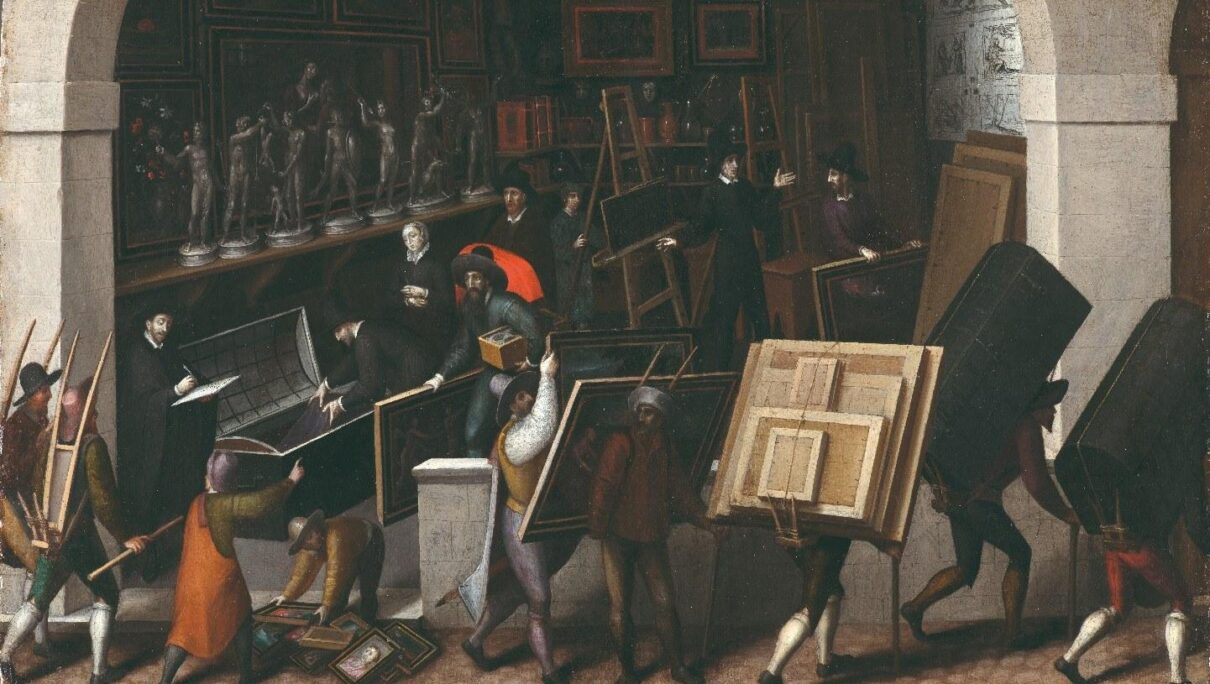
Before Manhattan was Manhattan, it was nutmeg. A quiet reminder that some of Europe’s wealth began with Indonesian spices.
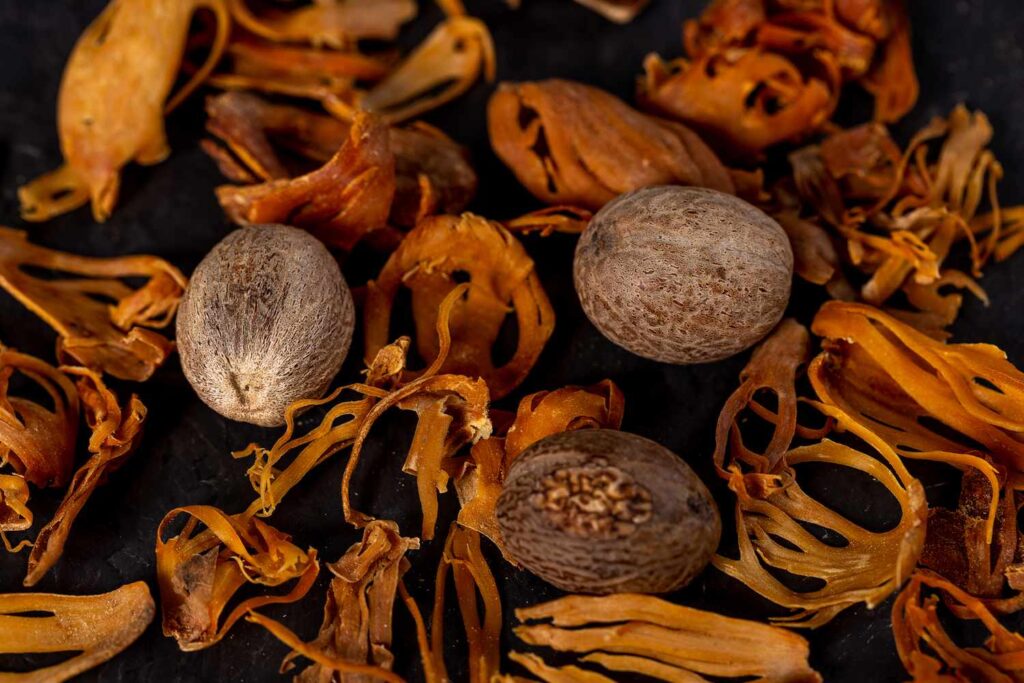
Indonesia has always been rich. Not the modern kind of rich with glass towers and venture capital. The older kind. We’re talking about the kind that grows out of the ground while nobody is looking. Cloves. Nutmeg. Mace. For centuries these spices grew naturally in the Maluku Islands, especially the tiny Banda Islands. To the people who lived there, they were simply plants. Useful, fragrant, traded like any other crop.
Then Europe discovered them and collectively lost its mind. Not over gold. Not over diamonds. Over a spice that today sits quietly in your kitchen cabinet next to the salt.
Europe could not grow these spices. The climate was wrong. The plants refused to cooperate. But Europeans had developed a taste for them and, like most cravings, it quickly escalated into an obsession. Nutmeg and cloves became status symbols, medicine, perfume, flavouring, and occasionally a cure for things they probably did not cure.
By the time these spices travelled through layers of traders in the global spice trade and reached Europe, the prices had ballooned into something absurd. Which led to a simple European idea: why not skip the middlemen and sail directly to where these magical seeds come from?
So, they did. Ships started appearing in Southeast Asia, filled with men who had crossed half the planet for what was essentially a kitchen ingredient. The Portuguese arrived. Then the Dutch. Then the English. Eventually the Dutch organized themselves into the impressively efficient Dutch East India Company, a corporation so powerful it could wage war, run colonies, and make sure the spice trade remained profitable through a combination of contracts, cannons, and the occasional massacre.
The economics were delightful, if you happened to be European. Spices could be bought very cheaply in the islands where they grew naturally. To locals, nutmeg was not an exotic luxury item. It was agriculture. Something farmers harvested, traded, and moved on with their day.
Europeans, however, took those same sacks of nutmeg back home and sold them for prices that would make a modern luxury brand blush. The profit margins were so large that a single successful voyage could pay for the entire expedition.
Imagine flying to another continent, buying cinnamon for pocket change, and returning home to sell it like rare diamonds.
With profits like that, Europe started building things.
Then Europe discovered them and collectively lost its mind. Not over gold. Not over diamonds. Over a spice that today sits quietly in your kitchen cabinet next to the salt.
Europe could not grow these spices. The climate was wrong. The plants refused to cooperate. But Europeans had developed a taste for them and, like most cravings, it quickly escalated into an obsession. Nutmeg and cloves became status symbols, medicine, perfume, flavouring, and occasionally a cure for things they probably did not cure.
By the time these spices travelled through layers of traders in the global spice trade and reached Europe, the prices had ballooned into something absurd. Which led to a simple European idea: why not skip the middlemen and sail directly to where these magical seeds come from?
So, they did. Ships started appearing in Southeast Asia, filled with men who had crossed half the planet for what was essentially a kitchen ingredient. The Portuguese arrived. Then the Dutch. Then the English. Eventually the Dutch organized themselves into the impressively efficient Dutch East India Company, a corporation so powerful it could wage war, run colonies, and make sure the spice trade remained profitable through a combination of contracts, cannons, and the occasional massacre.
The economics were delightful, if you happened to be European. Spices could be bought very cheaply in the islands where they grew naturally. To locals, nutmeg was not an exotic luxury item. It was agriculture. Something farmers harvested, traded, and moved on with their day.
Europeans, however, took those same sacks of nutmeg back home and sold them for prices that would make a modern luxury brand blush. The profit margins were so large that a single successful voyage could pay for the entire expedition.
Imagine flying to another continent, buying cinnamon for pocket change, and returning home to sell it like rare diamonds.
With profits like that, Europe started building things.
Take Amsterdam. In the seventeenth century the city blossomed into one of the richest places on Earth. The famous canals, the elegant merchant houses, the financial institutions, the trading networks. All symbols of the sophisticated European commercial world. And a significant portion of that wealth came from ships returning with cargo from the East.
Tiny Indonesian spices quietly helped finance a very impressive canal system.
But profit alone was not the goal. Control was. At one point the Dutch wanted complete control over nutmeg production in the Banda region, including a small island called Run. The English happened to control it. Negotiations followed.
The Dutch offered a trade.
The English could keep another territory they controlled across the ocean, a modest little place called Manhattan.
Nutmeg for Manhattan.
In the seventeenth century this made perfect sense. Nutmeg was extremely valuable. Manhattan was, at the time, mostly trees and mosquitos.
Fast forward a few centuries and the world has developed a charming narrative about itself. The modern world, we are told, is the triumph of Western civilization. Innovation, finance, progress, leadership. Meanwhile countries like Indonesia are politely categorized somewhere in the middle of the global hierarchy. Not poor enough to be tragic. Not rich enough to be impressive. Something like a two-and-a-half world country.
Progress, apparently, has a scoreboard.
But history has a sense of humour.
Some of the wealth that helped build those powerful Western economies began as spices growing quietly in Indonesian soil, bought cheaply and sold to Europe as luxury. Seeds that locals traded as everyday goods were shipped across oceans, multiplied in price, and quietly financed European banks, shipping empires, corporate giants, and beautiful canal cities.
The modern world likes to talk about who built civilization.
Sometimes it forgets to mention who supplied the ingredients.
Tiny Indonesian spices quietly helped finance a very impressive canal system.
But profit alone was not the goal. Control was. At one point the Dutch wanted complete control over nutmeg production in the Banda region, including a small island called Run. The English happened to control it. Negotiations followed.
The Dutch offered a trade.
The English could keep another territory they controlled across the ocean, a modest little place called Manhattan.
Nutmeg for Manhattan.
In the seventeenth century this made perfect sense. Nutmeg was extremely valuable. Manhattan was, at the time, mostly trees and mosquitos.
Fast forward a few centuries and the world has developed a charming narrative about itself. The modern world, we are told, is the triumph of Western civilization. Innovation, finance, progress, leadership. Meanwhile countries like Indonesia are politely categorized somewhere in the middle of the global hierarchy. Not poor enough to be tragic. Not rich enough to be impressive. Something like a two-and-a-half world country.
Progress, apparently, has a scoreboard.
But history has a sense of humour.
Some of the wealth that helped build those powerful Western economies began as spices growing quietly in Indonesian soil, bought cheaply and sold to Europe as luxury. Seeds that locals traded as everyday goods were shipped across oceans, multiplied in price, and quietly financed European banks, shipping empires, corporate giants, and beautiful canal cities.
The modern world likes to talk about who built civilization.
Sometimes it forgets to mention who supplied the ingredients.
Imagery curated from Google, Pinterest, and our studio. If your work is here without a name, let us know and we’ll fix it.