On Empathy, I
On absorption, emotional capacity, and learning to stop.
There’s a word people use often now. Empath. It sounds soft, almost beautiful. A word that suggests depth, care, and emotional intelligence.
But it is often misunderstood.
An empath is a person who is highly sensitive to emotional energy and attuned to both their own feelings and the feelings of others. They tend to absorb and process these emotions internally. What others might register as a passing mood; an empath often experiences as something more immersive.
They notice what is said, and what is not. They sense tension before it is spoken. It is not just awareness. It is the tendency to take it in, and to carry it.
Some of this is natural. Some people are simply more sensitive, sometimes described as highly sensitive people, more responsive to emotional cues. But much of it is learned. Many empaths grew up reading the room, anticipating moods, understanding others before they were understood. Over time, that awareness becomes instinct.
This is where the strength begins, and also where it starts to weigh.
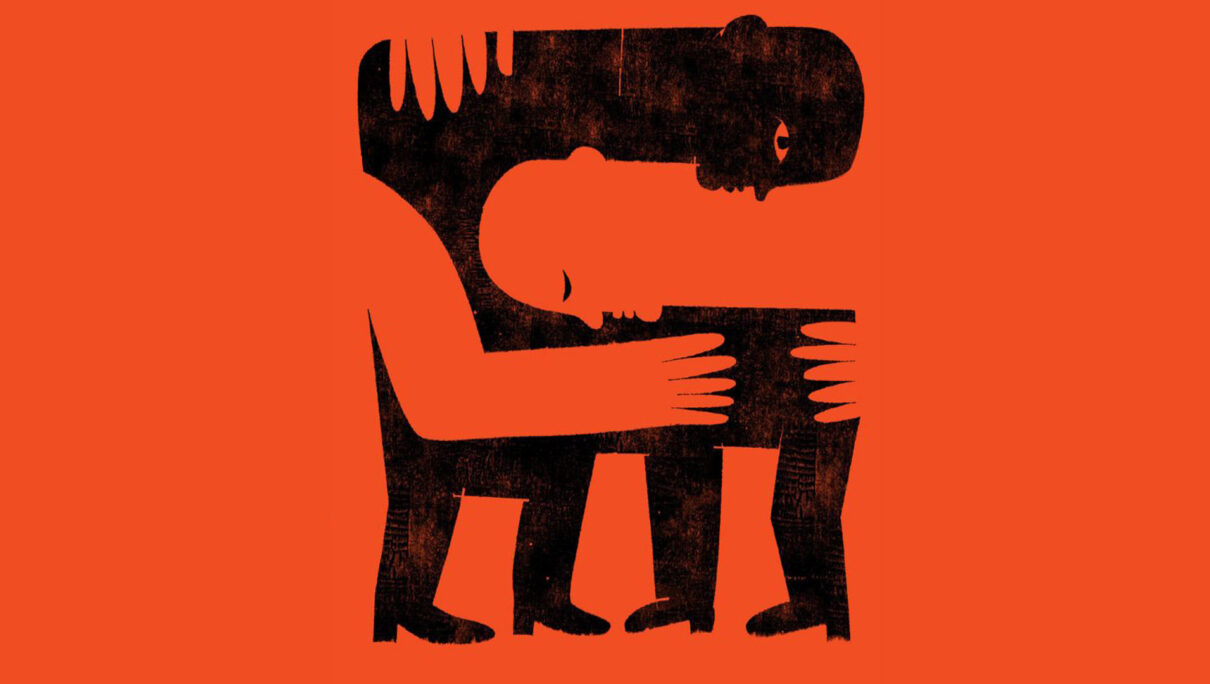
Because when you are constantly taking in what is around you, it becomes difficult to know what is yours. Emotions do not arrive neatly labelled. They blend, linger, and accumulate. And without clear boundaries, you carry more than you realize.
This is why empaths often experience emotional exhaustion or what is sometimes called empath burnout. They have been absorbing all along. Then when something personal happens, something that is truly theirs, it meets a system that is already full.
There is no space left to process it.
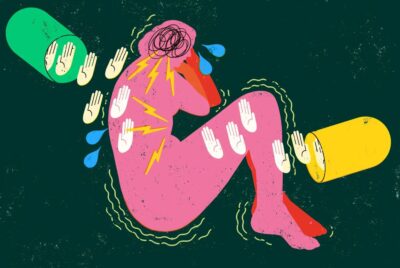
That is when everything feels overwhelming. Thoughts crowd in. The mind turns foggy and slow. Emotions arrive layered, sadness, anger, confusion, all at once. Beneath it, a deep tiredness that is hard to explain.
It is not weakness. It is depletion.
But it is often misunderstood.
An empath is a person who is highly sensitive to emotional energy and attuned to both their own feelings and the feelings of others. They tend to absorb and process these emotions internally. What others might register as a passing mood; an empath often experiences as something more immersive.
They notice what is said, and what is not. They sense tension before it is spoken. It is not just awareness. It is the tendency to take it in, and to carry it.
Some of this is natural. Some people are simply more sensitive, sometimes described as highly sensitive people, more responsive to emotional cues. But much of it is learned. Many empaths grew up reading the room, anticipating moods, understanding others before they were understood. Over time, that awareness becomes instinct.
This is where the strength begins, and also where it starts to weigh.
Because when you are constantly taking in what is around you, it becomes difficult to know what is yours. Emotions do not arrive neatly labelled. They blend, linger, and accumulate. And without clear boundaries, you carry more than you realize.
This is why empaths often experience emotional exhaustion or what is sometimes called empath burnout. They have been absorbing all along. Then when something personal happens, something that is truly theirs, it meets a system that is already full.
There is no space left to process it.
That is when everything feels overwhelming. Thoughts crowd in. The mind turns foggy and slow. Emotions arrive layered, sadness, anger, confusion, all at once. Beneath it, a deep tiredness that is hard to explain.
It is not weakness. It is depletion.
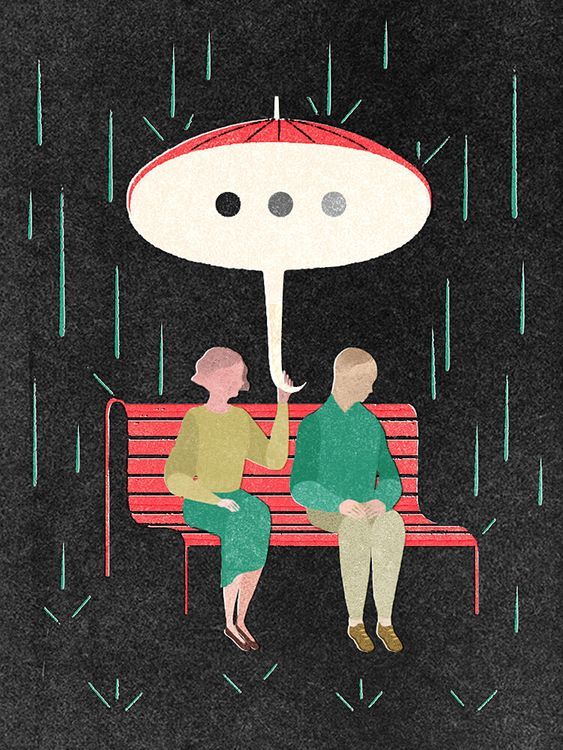
Source : https://www.gracialam.com/
This also explains why certain people are drawn to empaths. Not always intentionally, but consistently. Sensitivity attracts those who need to be seen or understood. And the empath, believing in the good, stays.
Many carry a quiet belief that no one is born with an evil heart. So, they try to understand, to be patient, to give space.
Sometimes, they give more than they have.
Seeing the good in someone does not always mean the situation is good for you. This is something empaths rarely learn once. It is learned again and again, usually through exhaustion. In a time where being an empath sounds desirable, the word is also used lightly. It becomes a label, something to claim. But for those who truly experience it, it rarely feels like something to show. If anything, it is something they are still learning how to manage, sometimes even wishing it were quieter.
So, what is an empath?
Not a trend or a personality badge. It is a way of experiencing the world. One that brings depth and connection, but also asks for something in return.
Boundaries.
Not the kind that shuts people out, but the kind that allows you to stay intact. To notice without absorbing everything. To care without carrying what is not yours.
Because in the end, being an empath is not defined by how much you can feel. It is defined by how well you learn to hold only what is yours, and let the rest pass through.
Many carry a quiet belief that no one is born with an evil heart. So, they try to understand, to be patient, to give space.
Sometimes, they give more than they have.
Seeing the good in someone does not always mean the situation is good for you. This is something empaths rarely learn once. It is learned again and again, usually through exhaustion. In a time where being an empath sounds desirable, the word is also used lightly. It becomes a label, something to claim. But for those who truly experience it, it rarely feels like something to show. If anything, it is something they are still learning how to manage, sometimes even wishing it were quieter.
So, what is an empath?
Not a trend or a personality badge. It is a way of experiencing the world. One that brings depth and connection, but also asks for something in return.
Boundaries.
Not the kind that shuts people out, but the kind that allows you to stay intact. To notice without absorbing everything. To care without carrying what is not yours.
Because in the end, being an empath is not defined by how much you can feel. It is defined by how well you learn to hold only what is yours, and let the rest pass through.
Imagery curated from Google, Pinterest, and our studio. If your work is here without a name, let us know and we’ll fix it.