On living with Bipolar 1, the invisible discipline of mental health, and why courage doesn't always look the way you expect.
She can tell an episode is starting before anyone else can. Not from a doctor’s chart. From the birds. If they sound too distinct the moment she wakes up, if the sky looks dramatically beautiful, if her body feels weightless enough to dissolve into a thousand particles, that is the signal. An episode has arrived.
She does not call it mania. The word feels wrong to her, almost illegal, like calling happiness a sin. So, she calls it her Happy Mood. Her Upper Mood. Language that lets her look the world in the eye and say: I am happy. What could possibly be wrong with that.
I know that look in her eyes by now. It is dazzling, and it frightens me a little every single time, because I know what is usually waiting on the other side of it. Everything, eventually. Just not yet.
The talking gets faster. The plans get bigger. The love for everyone in the room grows somehow even larger than it already was. Then the pendulum swings, into what she calls the upside-down world. Sleeping too long, waking too late, a heaviness in the chest, the urge to disappear completely.
The silence on those days has a specific weight to it. I have sat across from her when she has gone quiet like that, and it is nothing like ordinary quiet. It is the sound of someone working very hard, in private, just to keep breathing at a normal pace.
Then there is the medication, which from the outside looks like the easy part. It is not. She has a physical difficulty swallowing pills, which turns something as small as a daily dose into a quiet battle, repeated for the rest of her life. She does not do it because the world demands she look sane. She does it for the people she loves, which is exactly why it is invisible. Sacrifice made for love rarely announces itself.
I have sat with her on the nights this looked impossible. There is no applause for it. No one sends a message saying well done for taking your medicine again today. I have watched her do it anyway, quietly, the way you keep a promise to someone even when they are not in the room to see you keep it. I will be honest: there have been nights I felt completely useless next to her, holding nothing but my own fear, wanting to fix something that cannot be fixed, only managed, one day at a time, for the rest of her life.
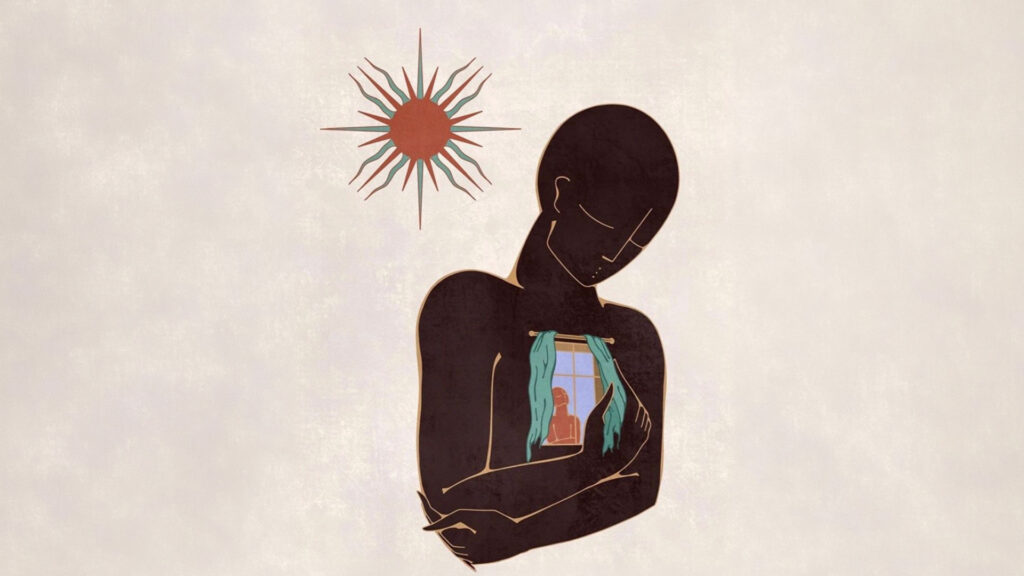
This is also where the well-meaning advice does the most damage. She has been told, more times than she can count, that she does not need medication, only prayer, or only a stronger mindset as if a biological condition responds to willpower the way a bad mood does. If it did, she has pointed out, she would have fixed it years ago and saved herself the pharmacy bill. The treatment costs her too, in ways nobody asks about. A rigid bedtime. A rigid wake time. No late nights lost in a book or a movie, the way she used to live as a natural night owl. And the medication takes something else with it; the ordinary, harmless buzz everyone else gets to feel without consequence, the kind that comes from a drink or a crush or a good party. She does not get that anymore. The very thing keeping her upright is also the thing quietly confiscating her fun.
Even her own self-understanding had to be rebuilt. Before the diagnosis, she assumed she was simply a party animal, a hopeless flirt. It turned out to be the mania talking. On the other side, she had to unlearn the belief that her depressive stretches made her lazy or broken. What she has now is simpler yet so complicated: each depressive episode is a winter. It arrives, it is brutal while it lasts, and eventually it lifts. Not because she willed it to, but because that particular winter runs its course. What does not lift is the cycle itself. There is no fixed calendar, no guaranteed spring season in between. Just the certainty that another winter is somewhere ahead, on its own schedule, and the discipline to keep functioning through the ones already here.
Which is exactly why it makes my blood boil when someone treats this like an aesthetic. People reach for the word “Bipolar” the way they’d reach for an accessory — something to wear for sympathy, something that sounds more interesting than “I’m having a hard week.” It is, frankly, an insult to everyone actually living with it. You do not get to borrow the weight of a lifetime diagnosis to decorate a bad Tuesday.
I asked Julia how it feels when she meets people doing exactly that. She did not soften her answer, and I am not going to soften it either.
“It honestly feels like a total insult,” she told me. “People who don’t have the diagnosis have no idea how brutal it actually is to live with a mental disorder. This disorder costs you the people you love, your career, your money, and leaves you endlessly wondering if there will ever be a cure. It is not some ‘cool’ identity to brag about. I truly believe the people who are faking it wouldn’t last a single day with the real symptoms.”
She was just as clear that a diagnosis is not a free pass either. “Being diagnosed with a mental disorder doesn’t give you a free pass to weaponize it and skip out on accountability. It’s actually the exact opposite,” she said. Taking medication every day is an act of responsibility for her, not a performance staged for an audience.
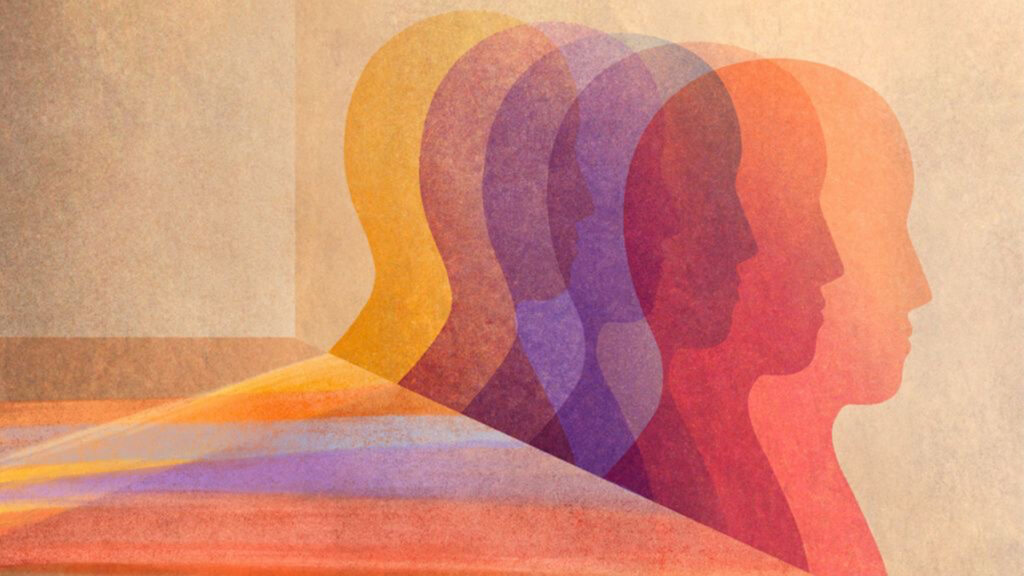
I will not pretend I am not afraid of what the years ahead hold for her, or for us. I do not know how many more winters are coming, or how hard the next one will be. What I know is that I have watched Julia carry the real version of this for years, and I intend to keep standing exactly where I am standing now, for as many winters as it takes.
The discipline nobody applauds. The mornings she cannot explain why the birds sound different. The nights she goes to bed early like it’s a vow she has to keep. It does not look like a performance, because it isn’t one.
It may wear the quiet, ordinary face of a Tuesday. But underneath, it is still a storm. One she has learned to survive with a calendar, a pill, and a faith nobody sees.
Imagery curated from Google, Pinterest, and our studio. If your work is here without a name, let us know and we’ll fix it.