The strange arrogance of the species that calls itself civilized, and the quiet violence hidden inside what we call progress.
There is something wonderfully arrogant about being human.
At some point we looked around the planet and decided, with extraordinary confidence, that we were the most intelligent species here. The cleverest. The most evolved. The rightful managers of Earth.
The other animals did not get a vote in that decision. They were too busy doing something strange and primitive.
Living.
Animals eat when they are hungry and stop when they are full. They kill when they must and rarely kill for entertainment. They take what they need from the forest, the ocean, the air, and then they leave the rest alone.
Humans, on the other hand, invented something far more sophisticated.
Excess.
And excess, if we are honest, always requires justification. Ours is usually called civilization.
Humans like to say destruction is the price of progress. Cities must expand. Forests must fall. Animals must work. Civilization, after all, requires resources. Fair enough. But civilization also requires something else.
Restraint.
And restraint is not exactly humanity’s strong suit.
Across the world animals have been quietly drafted into the human economy. Tourism, agriculture, entertainment, transport, fashion, and food. When they stop being profitable, they are usually replaced.
Not retired. Replaced.
Sometimes the exploitation hides behind charm.
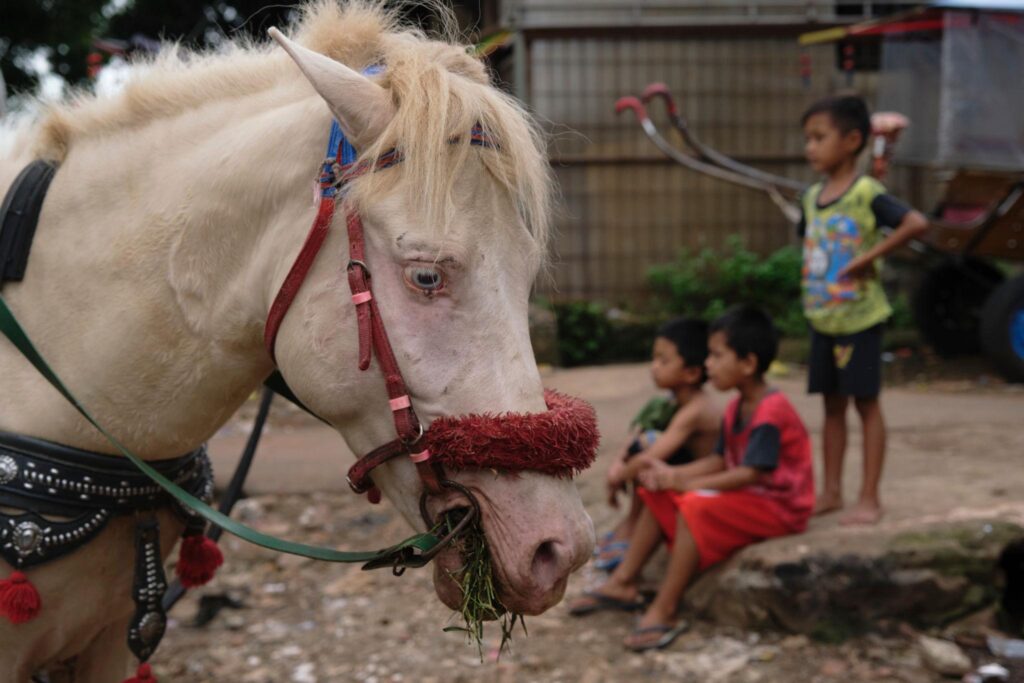
In many places in Indonesia, horses still pull tourist carts along sandy roads. From a distance the scene looks almost nostalgic, the kind of image that convinces travellers they have discovered a simpler world.
Look closer and the romance fades.
At some point we looked around the planet and decided, with extraordinary confidence, that we were the most intelligent species here. The cleverest. The most evolved. The rightful managers of Earth.
The other animals did not get a vote in that decision. They were too busy doing something strange and primitive.
Living.
Animals eat when they are hungry and stop when they are full. They kill when they must and rarely kill for entertainment. They take what they need from the forest, the ocean, the air, and then they leave the rest alone.
Humans, on the other hand, invented something far more sophisticated.
Excess.
And excess, if we are honest, always requires justification. Ours is usually called civilization.
Humans like to say destruction is the price of progress. Cities must expand. Forests must fall. Animals must work. Civilization, after all, requires resources. Fair enough. But civilization also requires something else.
Restraint.
And restraint is not exactly humanity’s strong suit.
Across the world animals have been quietly drafted into the human economy. Tourism, agriculture, entertainment, transport, fashion, and food. When they stop being profitable, they are usually replaced.
Not retired. Replaced.
Sometimes the exploitation hides behind charm.
In many places in Indonesia, horses still pull tourist carts along sandy roads. From a distance the scene looks almost nostalgic, the kind of image that convinces travellers they have discovered a simpler world.
Look closer and the romance fades.
(source: gettyimages.com)
Veterinary studies have found that many of these horses carry wounds, damaged hooves, or signs of lameness. Some continue pulling carts despite injuries. There is rarely a villain in the cartoon sense.
What exists instead is something quieter and more dangerous.
Normalization.
Cruelty becomes invisible when it becomes routine.
Other forms of exploitation are less visible but far larger.
Take forests.
Indonesia once held some of the richest tropical rainforests on the planet, vast ecosystems where thousands of species lived in delicate balance, many found nowhere else on Earth.
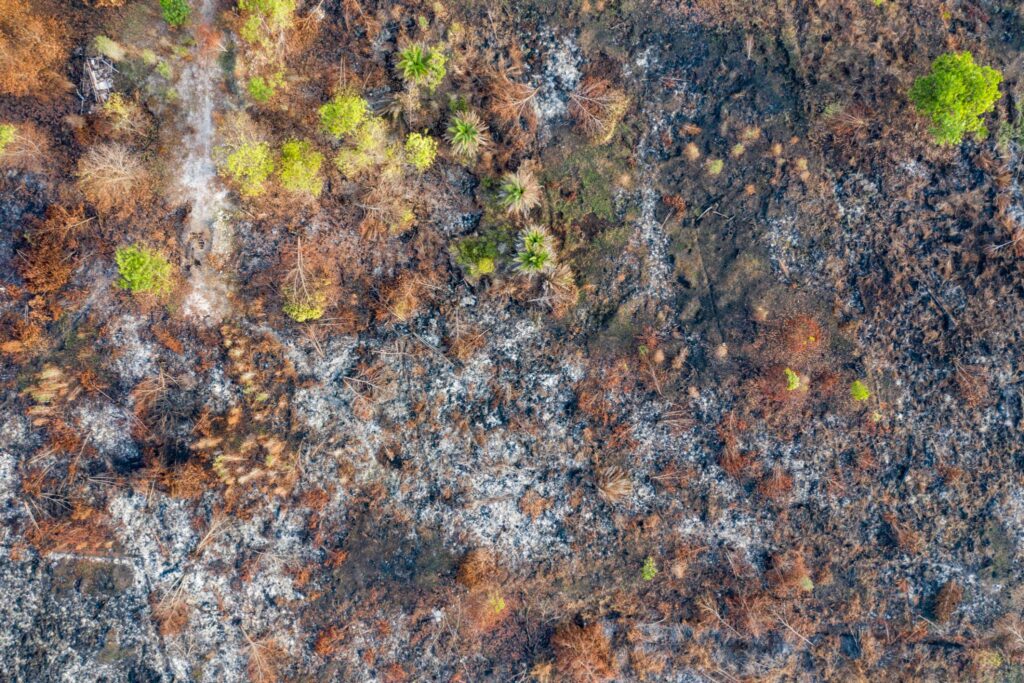
But forests, in the modern economy, are often treated as temporary obstacles. They are cleared, burned, flattened, and replanted with a single crop.
Palm oil.
Palm oil has become one of the most profitable agricultural commodities in the world. It appears in everything from instant noodles and chocolate bars to shampoo and lipstick.
To grow it, enormous areas of rainforest have been converted into monoculture plantations.
And when the forest disappears, so does the life that depended on it.
What exists instead is something quieter and more dangerous.
Normalization.
Cruelty becomes invisible when it becomes routine.
Other forms of exploitation are less visible but far larger.
Take forests.
Indonesia once held some of the richest tropical rainforests on the planet, vast ecosystems where thousands of species lived in delicate balance, many found nowhere else on Earth.
But forests, in the modern economy, are often treated as temporary obstacles. They are cleared, burned, flattened, and replanted with a single crop.
Palm oil.
Palm oil has become one of the most profitable agricultural commodities in the world. It appears in everything from instant noodles and chocolate bars to shampoo and lipstick.
To grow it, enormous areas of rainforest have been converted into monoculture plantations.
And when the forest disappears, so does the life that depended on it.
(source: gettyimages.com)
Among the most tragic victims are the orangutans. These quiet, intelligent primates once moved through vast forest canopies across Borneo and Sumatra. Today their habitat shrinks year after year as plantations expand. When forests are cleared, orangutans are displaced, starved, or killed because they wander into farmland searching for food. Sometimes the adults are killed and the babies captured and sold.
But they are not the only ones forced out of their homes.
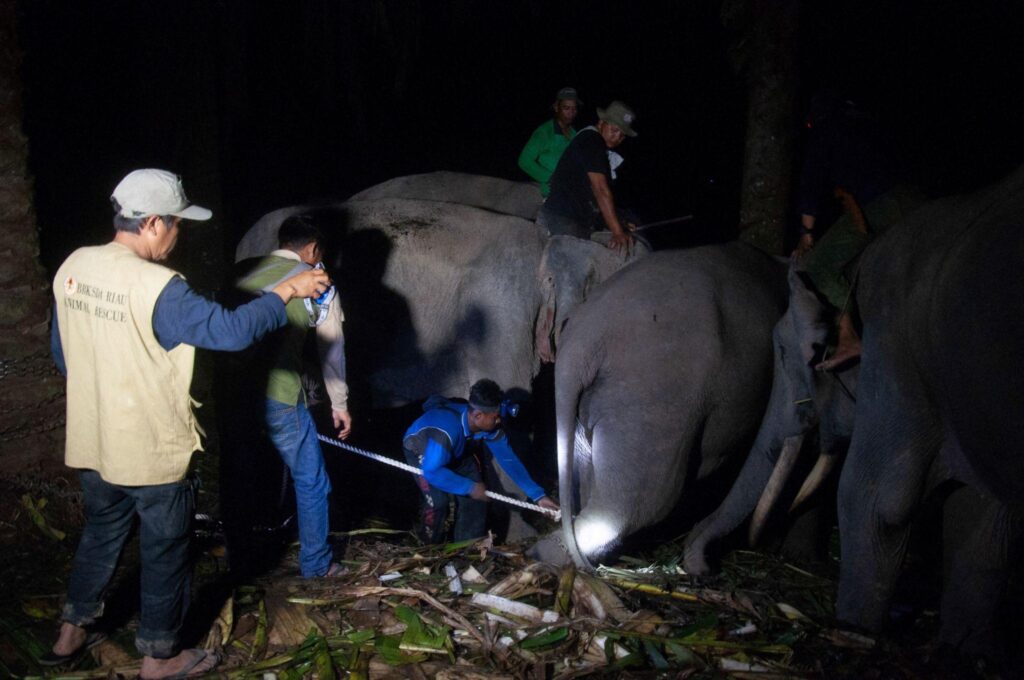
Elephants face a similar fate, though their story is often told in a strangely misleading way. When elephants wander into farms or villages, they are often described as pests. Problem animals. Crop raiders.
But elephants have roamed these forests for thousands of years. The villages and plantations are the newcomers. When forests are cleared and replaced with monoculture crops, the food that once sustained wildlife disappears with them. The elephants do not suddenly become destructive. They become hungry. So they walk into farmland looking for something to eat.
From the farmer’s perspective it feels like an invasion. From the elephant’s perspective it is simply the last remaining pantry in a landscape that used to be home.
The irony is that elephants were farmers long before humans planted their first crops. As they move through forests they eat fruit, leaves, and vegetation, carrying seeds across vast distances. Hours or days later those seeds are deposited elsewhere, naturally fertilized and ready to grow.
Forests regenerate this way. Again and again.
Elephants do not just live in ecosystems. They help build them.
Nothing humans have engineered quite replicates that quiet, ancient system of renewal. Yet when forests disappear and elephants follow the only food left, they are labelled intruders in land that once belonged to them.
But they are not the only ones forced out of their homes.
Elephants face a similar fate, though their story is often told in a strangely misleading way. When elephants wander into farms or villages, they are often described as pests. Problem animals. Crop raiders.
But elephants have roamed these forests for thousands of years. The villages and plantations are the newcomers. When forests are cleared and replaced with monoculture crops, the food that once sustained wildlife disappears with them. The elephants do not suddenly become destructive. They become hungry. So they walk into farmland looking for something to eat.
From the farmer’s perspective it feels like an invasion. From the elephant’s perspective it is simply the last remaining pantry in a landscape that used to be home.
The irony is that elephants were farmers long before humans planted their first crops. As they move through forests they eat fruit, leaves, and vegetation, carrying seeds across vast distances. Hours or days later those seeds are deposited elsewhere, naturally fertilized and ready to grow.
Forests regenerate this way. Again and again.
Elephants do not just live in ecosystems. They help build them.
Nothing humans have engineered quite replicates that quiet, ancient system of renewal. Yet when forests disappear and elephants follow the only food left, they are labelled intruders in land that once belonged to them.
(source: gettyimages.com)
Which brings us to one of the most uncomfortable contradictions about our species.
Humans are not incapable of compassion. In fact, we may be uniquely capable of it.
The Indian independence leader Mahatma Gandhi once said that the greatness of a nation and its moral progress can be judged by the way its animals are treated.
It is a beautiful sentence. And an unsettling one.
Because if we take it seriously, it forces a question.
What does that say about us? Not just about one country. About humanity.
Factory farms. Illegal wildlife trade. Animal testing. Entertainment parks. Even pets sometimes become accessories rather than companions.
The cruelty is not rare. It is industrial.
The tragedy is not that humans are capable of cruelty. Every species is capable of violence. The tragedy is that humans are also capable of empathy. We understand suffering. We recognize it. We can imagine the fear of another living creature.
And yet we often choose to look away.
Perhaps that is why the story humans like to tell about themselves as stewards of Earth feels strangely optimistic. There is a comforting myth that nature depends on us.
In reality, the opposite is true.
If humans disappeared tomorrow, forests would slowly grow back, rivers would clean themselves, and animal populations would recover far faster than we like to imagine. Remove animals, forests, insects, and oceans from the equation, however, and humanity collapses almost immediately.
We are not the managers of Earth. We are its most reckless tenants.
And that may explain the strange paradox of our species.
We possess extraordinary intelligence. We build cities, invent artificial intelligence, send machines to Mars. Yet intelligence without restraint is simply power without wisdom.
Animals understand limits instinctively. A tiger will not wipe out every deer in the forest. A wolf does not hunt for entertainment. A shark does not empty the ocean.
Only humans invented industries around suffering.
Which is why, if an alien were to study this planet objectively, the conclusion would be difficult to avoid.
The most dangerous animal on Earth is not the lion. Not the shark. Not the crocodile.
It is the one writing and reading this sentence.
Humans are not incapable of compassion. In fact, we may be uniquely capable of it.
The Indian independence leader Mahatma Gandhi once said that the greatness of a nation and its moral progress can be judged by the way its animals are treated.
It is a beautiful sentence. And an unsettling one.
Because if we take it seriously, it forces a question.
What does that say about us? Not just about one country. About humanity.
Factory farms. Illegal wildlife trade. Animal testing. Entertainment parks. Even pets sometimes become accessories rather than companions.
The cruelty is not rare. It is industrial.
The tragedy is not that humans are capable of cruelty. Every species is capable of violence. The tragedy is that humans are also capable of empathy. We understand suffering. We recognize it. We can imagine the fear of another living creature.
And yet we often choose to look away.
Perhaps that is why the story humans like to tell about themselves as stewards of Earth feels strangely optimistic. There is a comforting myth that nature depends on us.
In reality, the opposite is true.
If humans disappeared tomorrow, forests would slowly grow back, rivers would clean themselves, and animal populations would recover far faster than we like to imagine. Remove animals, forests, insects, and oceans from the equation, however, and humanity collapses almost immediately.
We are not the managers of Earth. We are its most reckless tenants.
And that may explain the strange paradox of our species.
We possess extraordinary intelligence. We build cities, invent artificial intelligence, send machines to Mars. Yet intelligence without restraint is simply power without wisdom.
Animals understand limits instinctively. A tiger will not wipe out every deer in the forest. A wolf does not hunt for entertainment. A shark does not empty the ocean.
Only humans invented industries around suffering.
Which is why, if an alien were to study this planet objectively, the conclusion would be difficult to avoid.
The most dangerous animal on Earth is not the lion. Not the shark. Not the crocodile.
It is the one writing and reading this sentence.
Imagery curated from Google, Pinterest, and our studio. If your work is here without a name, let us know and we’ll fix it.