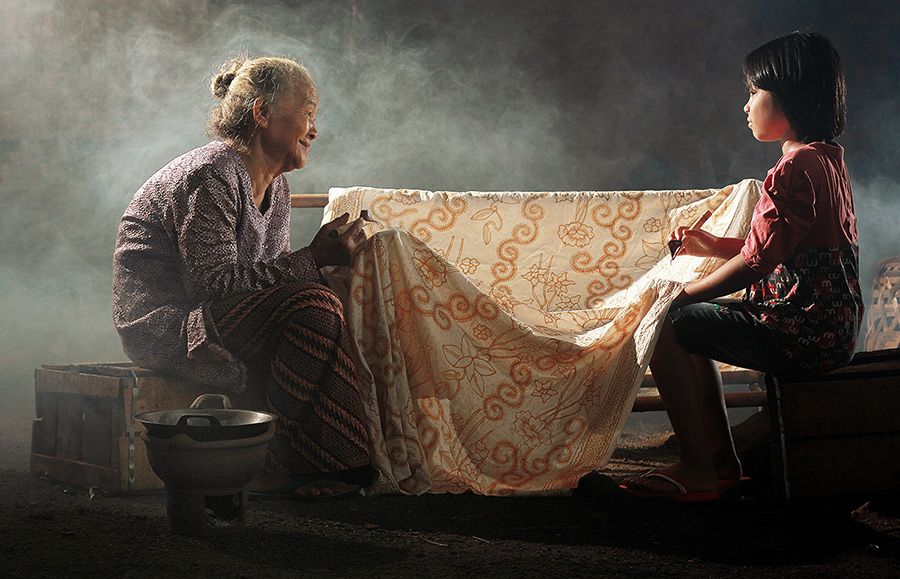
How a heritage textile from Indonesia gets diluted, renamed, and quietly detached from its origin.
There is a certain confidence required to take something that does not belong to you and present it as if it arrived under your creative direction. The ability to take something with a long, specific history and make it sound like it just… happened.
First, the core issue here is not simply “they took something.” Fashion has always borrowed, mixed, reinterpreted. That part is real, and it goes both ways across cultures. The problem is how it is done and who gets erased in the process.
When a brand like Aimé Leon Dore takes a motif that is recognizably tied to Batik, especially something as specific as Tambal Batik, and calls it “abstract,” it is not a misunderstanding.
It’s a dilution, and it’s decided.
A very efficient one, too. Take something with history. Remove the history. Keep the aesthetic. Congratulations, you now have something that feels original enough to sell and vague enough to avoid questions. Conveniently so.
Very refined. Cultural amnesia, repackaged and ready for retail.
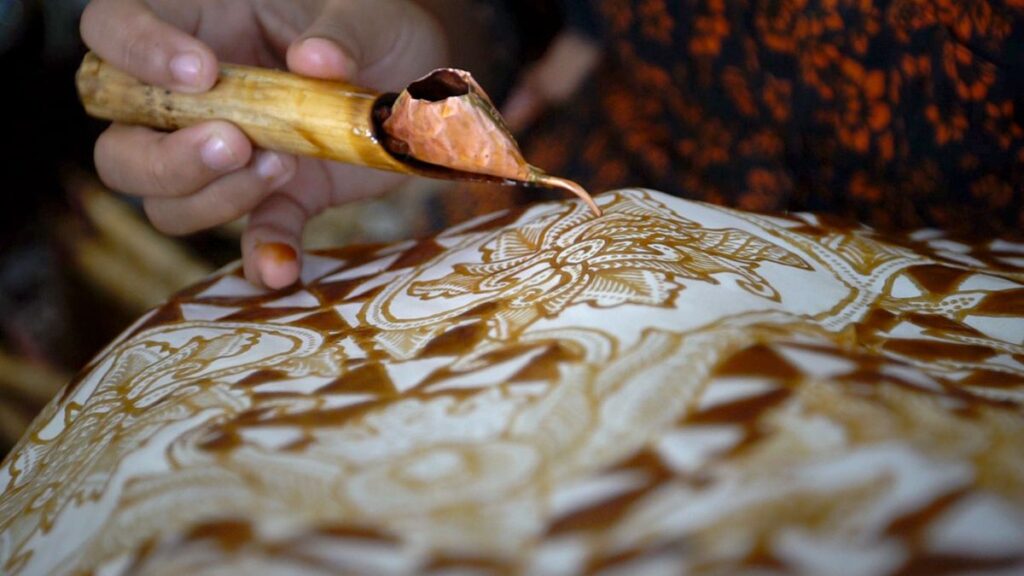
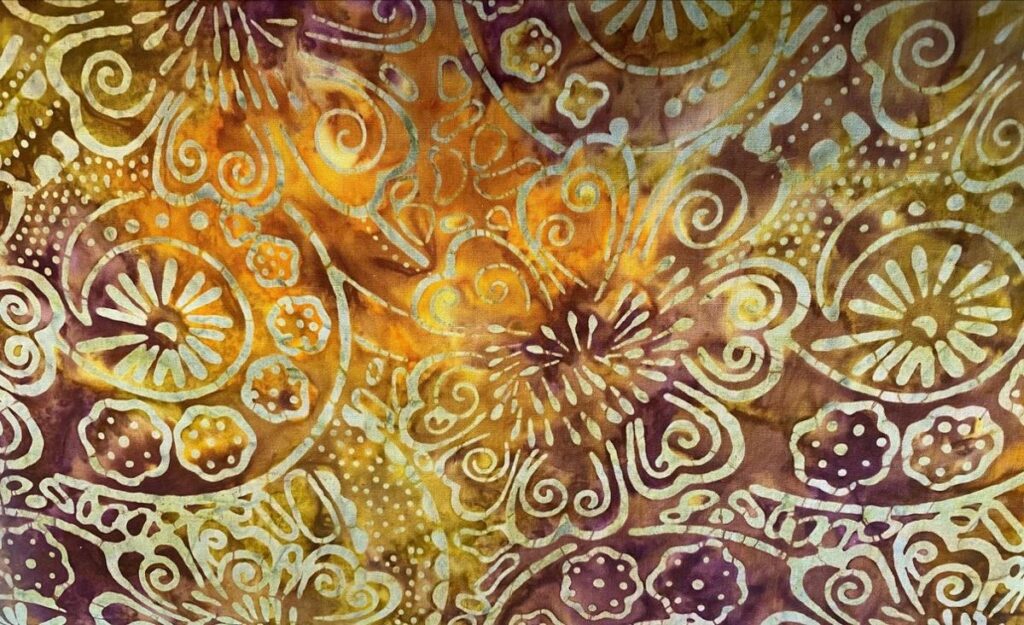
And yes, batik is formally recognized by UNESCO, which means it is not just visually interesting, it is culturally significant. It carries philosophy, symbolism, even intention. Tambal, for example, is not decorative filler. Tambal is about repair. Restoration. Putting broken things back together.
Which makes what happened to it feel almost funny yet ironic.
Because, the first thing that happened to it here, was that it got taken apart. Efficiently.
First, the core issue here is not simply “they took something.” Fashion has always borrowed, mixed, reinterpreted. That part is real, and it goes both ways across cultures. The problem is how it is done and who gets erased in the process.
When a brand like Aimé Leon Dore takes a motif that is recognizably tied to Batik, especially something as specific as Tambal Batik, and calls it “abstract,” it is not a misunderstanding.
It’s a dilution, and it’s decided.
A very efficient one, too. Take something with history. Remove the history. Keep the aesthetic. Congratulations, you now have something that feels original enough to sell and vague enough to avoid questions. Conveniently so.
Very refined. Cultural amnesia, repackaged and ready for retail.
And yes, batik is formally recognized by UNESCO, which means it is not just visually interesting, it is culturally significant. It carries philosophy, symbolism, even intention. Tambal, for example, is not decorative filler. Tambal is about repair. Restoration. Putting broken things back together.
Which makes what happened to it feel almost funny yet ironic.
Because, the first thing that happened to it here, was that it got taken apart. Efficiently.
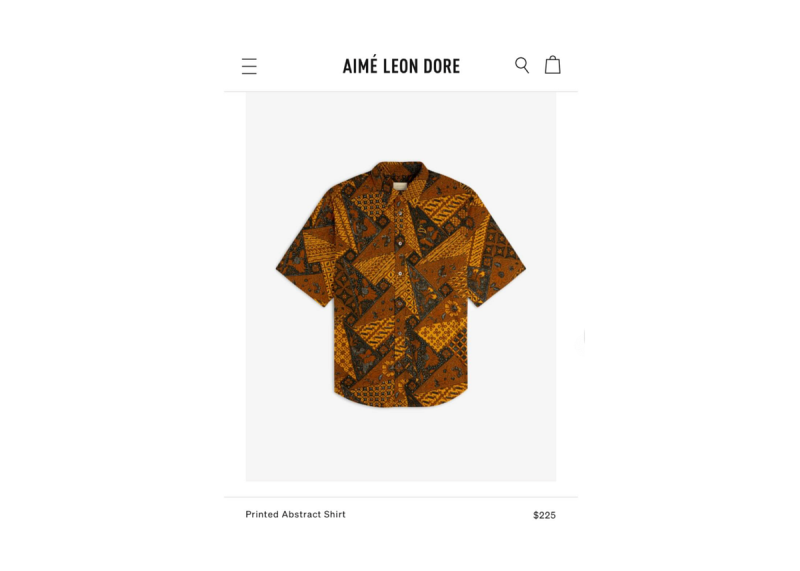
(Source: Pinterest)
Of course, the name eventually changed. “Abstract” became “Batik Inspired Print Shirt.” A small moment of clarity. Just enough to suggest that someone, somewhere, realized the problem. Or at least realized people were starting to notice.
But then… nothing.
No apology. No acknowledgment. No Indonesia. Just a slightly improved label and the same convenient silence. Nicely packaged.
Now, about the apology.
Would it hurt them? No.
Would it cost them anything? Also no.
Would it ruin the entire fashion industry as we know it? Unlikely.
And yet, it never arrives.
Which is exactly why the silence feels so intentional.
Because here is the part that makes it almost impressive. The name changed. So, awareness is not the issue. They noticed. They adjusted. They corrected just enough to look informed. But then they stopped. Right at the interesting part.
No mention of Indonesia. No acknowledgment of origin. No moment of, “this comes from somewhere, and that somewhere is not us.” It is a very specific kind of restraint. The kind that edits out just one final, inconvenient sentence.
But then… nothing.
No apology. No acknowledgment. No Indonesia. Just a slightly improved label and the same convenient silence. Nicely packaged.
Now, about the apology.
Would it hurt them? No.
Would it cost them anything? Also no.
Would it ruin the entire fashion industry as we know it? Unlikely.
And yet, it never arrives.
Which is exactly why the silence feels so intentional.
Because here is the part that makes it almost impressive. The name changed. So, awareness is not the issue. They noticed. They adjusted. They corrected just enough to look informed. But then they stopped. Right at the interesting part.
No mention of Indonesia. No acknowledgment of origin. No moment of, “this comes from somewhere, and that somewhere is not us.” It is a very specific kind of restraint. The kind that edits out just one final, inconvenient sentence.
(Source: Pinterest)
Big brands rarely apologize unless they are forced to. Not because they are villains in some dramatic sense, but because the system they operate in does not reward humility. It rewards control. Narrative control, to be precise. Admitting “this came from Indonesia” does something uncomfortable. It shifts authorship. It gently suggests that the brand is not the source of the beauty, just the one currently selling it. Admitting it means admitting this did not start with them. That the idea was not entirely theirs. That the brilliance they like to admire in the mirror might, occasionally, belong to someone else.
In a way, they are the one who found something beautiful elsewhere and decided it would look better with their logo on it. A middleman, essentially. And luxury does not love being the middleman. It prefers to be the origin story. Or at least the only one mentioned.
So instead, we get “inspired.” A word that floats. Vague enough to include everything, but specific enough to commit to nothing. It is the fashion equivalent of saying, “I arrived at this independently,” while standing suspiciously close to someone else’s work. Close enough to borrow, far enough to deny.
We know this is not new behaviour. This is a well-rehearsed routine. Spices, textiles, ingredients, entire aesthetics, they travel. They get picked up, cleaned up, renamed, and sent back out into the world with better lighting and a stronger accent. Sometimes with a much higher price, just to complete the transformation.
In a way, they are the one who found something beautiful elsewhere and decided it would look better with their logo on it. A middleman, essentially. And luxury does not love being the middleman. It prefers to be the origin story. Or at least the only one mentioned.
So instead, we get “inspired.” A word that floats. Vague enough to include everything, but specific enough to commit to nothing. It is the fashion equivalent of saying, “I arrived at this independently,” while standing suspiciously close to someone else’s work. Close enough to borrow, far enough to deny.
We know this is not new behaviour. This is a well-rehearsed routine. Spices, textiles, ingredients, entire aesthetics, they travel. They get picked up, cleaned up, renamed, and sent back out into the world with better lighting and a stronger accent. Sometimes with a much higher price, just to complete the transformation.
(Source: Pinterest)
Nothing new. Just very consistent. The formula is almost comforting in its predictability. Take something with history. Remove the history. Keep the aesthetic. Rename it. Sell it. Repeat. Preferably at a higher margin.
And if anyone notices, adjust slightly. Not too much. Just enough to suggest awareness, not enough to share credit. Just enough to look careful, not enough to be honest.
Call it inspired. Call it global. Call it anything, really, as long as it does not point too clearly back to where it came from.
So, the names change. The stories don’t.
You know what? Fine. They can call it whatever they like.
They have been doing this for years.
We have been keeping track. We know exactly what they did.
And we remember where it came from.
And if anyone notices, adjust slightly. Not too much. Just enough to suggest awareness, not enough to share credit. Just enough to look careful, not enough to be honest.
Call it inspired. Call it global. Call it anything, really, as long as it does not point too clearly back to where it came from.
So, the names change. The stories don’t.
You know what? Fine. They can call it whatever they like.
They have been doing this for years.
We have been keeping track. We know exactly what they did.
And we remember where it came from.
Imagery curated from Google, Pinterest, and our studio. If your work is here without a name, let us know and we’ll fix it.