The rise of self-diagnosis in the age of social media
Humans have always been psychologically messy.
Jealous, anxious, insecure, obsessive, occasionally irrational. None of this is new. Long before therapy offices, podcasts about trauma, or Instagram posts about “protecting your energy,” people were already wrestling with the chaos inside their heads.
Literature is full of it. Shakespeare built entire tragedies from jealousy and paranoia. Dostoevsky wrote characters who practically disintegrated under the weight of their own thoughts. If those people were alive today, someone on the internet would probably diagnose them within minutes.
Perhaps with impressive confidence.
The human mind has never been tidy. The difference today is not the mess. The difference is the language we use to describe it.
Modern psychology introduced clinical frameworks like the Diagnostic and Statistical Manual of Mental Disorders to help professionals understand serious mental disorders. These tools were designed for trained clinicians navigating complicated cases of depression, trauma, or psychosis.
Then the internet got hold of them.
Somewhere along the way, clinical terminology escaped the clinic. Suddenly everyone became a part-time psychologist. A difficult boss is no longer just unpleasant, he is a narcissist. A stressful week at work becomes burnout. A bad relationship becomes trauma. Someone who occasionally struggles to focus announces they might have ADHD after watching a three-minute video.
Sometimes those labels are accurate. But often they are simply metaphors wearing medical clothing.
Social media did the rest. Platforms like TikTok and Instagram are now full of short, confident explainers about the human mind. Ten signs you have anxiety. Eight traits of a covert narcissist. Seven ways to know you were emotionally neglected as a child.
The format is always neat. The human mind rarely is.
People scroll, recognize themselves in two or three symptoms, and quietly begin adding a new word to their personal identity. Not just “I feel anxious sometimes.” Now it becomes “I have anxiety.” The label sticks.
And like most things in the age of the algorithm, a little bit of social pressure enters the picture. The modern phenomenon otherwise known as FOMO.
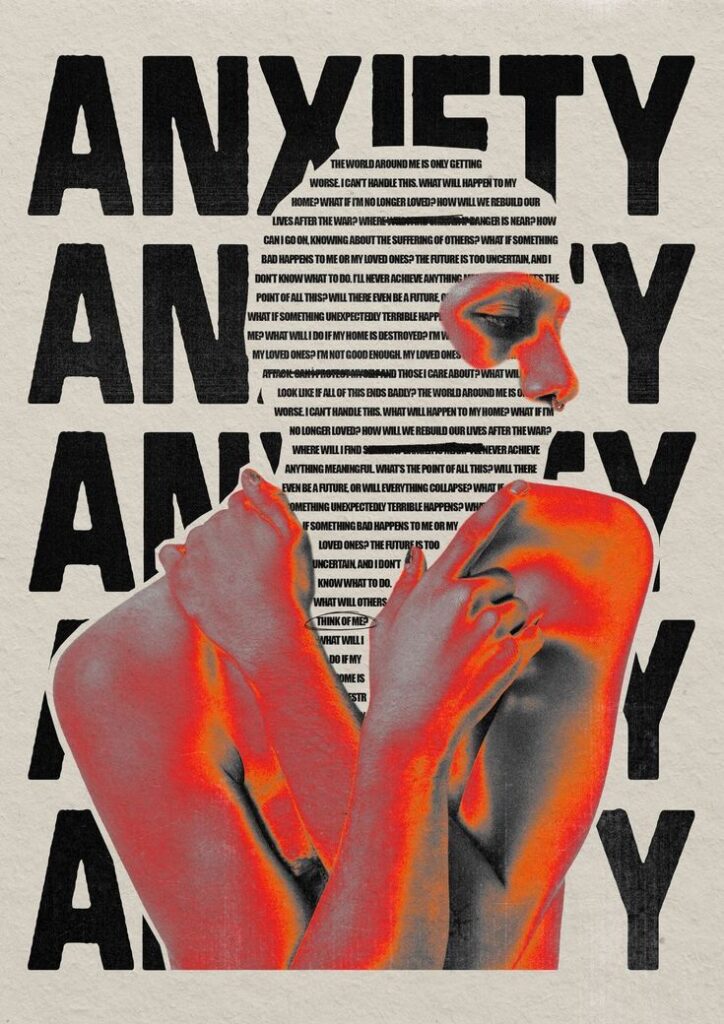
(Source: Pinterest)
You begin to wonder if you should have one too.
This is not to mock therapy. Talking through one’s thoughts with a trained professional can be deeply valuable. Psychologists spend years learning therapeutic approaches such as cognitive behavioural therapy or psychodynamic analysis, trying to help people understand patterns they cannot see alone.
The process is slow. Often uncomfortable. Occasionally frustrating.
Which may explain why some people prefer the shortcut.
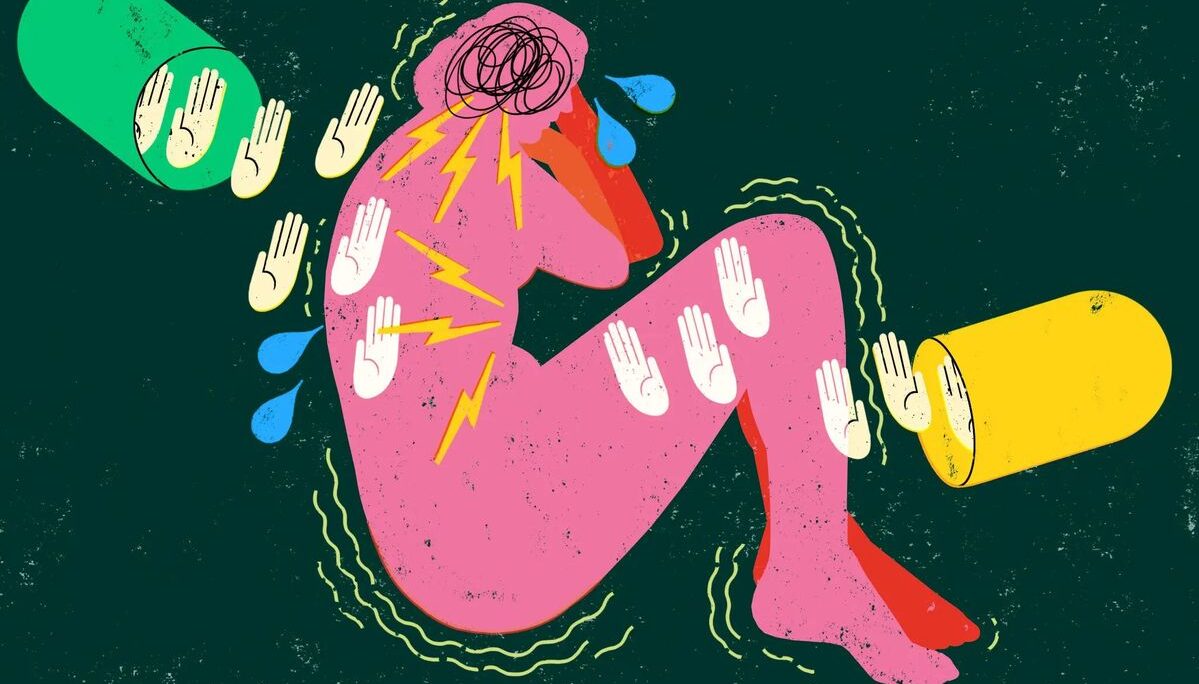
Instead of long, consistent therapy, they visit a psychiatrist, describe a collection of symptoms, and leave with medication meant to regulate mood, anxiety, or sleep. The psychiatrist, after all, is a medical doctor. Prescriptions are part of the job.
The ideal system is supposed to involve both sides. Psychologists working through the deeper patterns of the mind, psychiatrists managing biological factors when necessary. In reality, the collaboration does not always happen. Many people take the medication but skip the difficult part: sustained self-examination.
Healing, it turns out, is less fashionable than talking about healing.
(Source: Pinterest)
But the language of mental health is firmly in place.
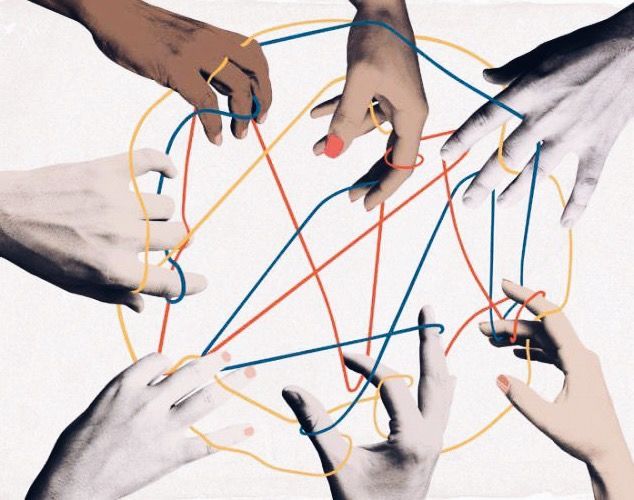
Perhaps this is the strange paradox of the therapy era. We speak about the mind more than any generation before us. We have the vocabulary, the frameworks, the endless online explanations. Yet the human mind remains exactly as messy as it has always been.
Jealous, anxious, insecure, contradictory.
Maybe the real question is not whether we are sick.
Maybe the real question is why we are so eager to prove that we are.
Imagery curated from Google, Pinterest, and our studio. If your work is here without a name, let us know and we’ll fix it.