In 2007, Indonesia stopped giving the world a virus for free. The world called it reckless. Then they finally began to negotiate.
In 2007, Indonesia found this out when it withheld samples of the H5N1 bird flu virus from the World Health Organization (WHO). The decision caused considerable alarm. Indonesia was accused of putting global health security at risk, which was an uncomfortable accusation to make against a country that had been contributing to the very system now demanding its cooperation.
At the time, Indonesia had recorded more human cases of H5N1 than any other country. By the end of 2007, 116 people had been infected and 94 had died. The samples mattered. They helped scientists monitor the virus and develop vaccine seed strains, work that was essential to preparing for a possible pandemic.
But Indonesia had begun asking a rather reasonable question: why should it provide the biological material while having no assurance that its own people could afford the vaccines developed from it?
The concern was not hypothetical. An Australian pharmaceutical company had developed a vaccine using an Indonesian H5N1 strain, prompting Indonesia to question why it had not been asked for permission. There were also wider questions about patents, commercial rights and who stood to benefit from virus samples shared through the international network.
The arrangement was beginning to look rather one-sided. Indonesia supplied the raw material. Others had the laboratories, the technology and the commercial opportunities. And when the finished product became available, Indonesia might have to buy it back.
Apparently, the virus was a contribution to humanity, but the vaccine was a commercial opportunity.
So, Indonesia stopped sharing the samples, using its cooperation as leverage in negotiations for fairer access to vaccines and a more equitable system of benefit-sharing. The WHO warned that withholding samples could undermine global health security. It had a point. Viruses do not respect national borders, do not check passports, and international surveillance depends on countries sharing information and biological material.
But there was another question worth asking. Why was the responsibility to share so clearly defined, while the obligation to share the benefits remained so vague?
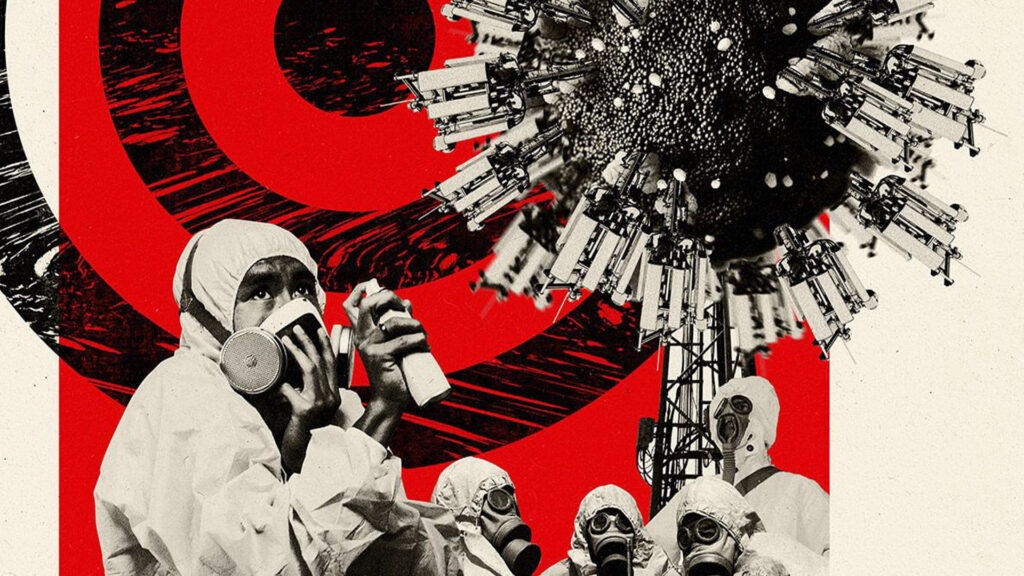
Indonesia was being asked to think beyond its borders. The international system, meanwhile, had not been particularly successful at thinking about Indonesia.
The dispute helped push the issue onto the global agenda. In 2007, the World Health Assembly called for fair, transparent and equitable sharing of benefits alongside the sharing of influenza viruses. In 2011, the WHO adopted the Pandemic Influenza Preparedness Framework, creating a more formal system for sharing vaccines and other benefits.
Indonesia had not built a pharmaceutical industry overnight. It had done something else: it had made a global organisation reconsider the rules of a system that had long been taken for granted.
And that, perhaps, is the part worth paying attention to.
We often talk about Indonesia’s potential as though it is something waiting to be discovered. Yet the country already has things the world needs. The question is whether Indonesia understands the value of what it brings to the table, and whether it is prepared to negotiate accordingly.
This is not an argument for refusing every request or turning cooperation into confrontation. International collaboration matters. But cooperation does not mean agreeing to every condition, particularly when the benefits are unevenly distributed. A country can be open to the world without making itself endlessly accommodating.
The H5N1 dispute showed what can happen when Indonesia pauses before saying yes. So, what more could Indonesia gain if it did the same elsewhere? If it took the time to understand its own value before agreeing to another country’s terms? If it became less eager to please, and more willing to ask what it would get in return for its people?
The world has always been hungry for what Indonesia has to offer. Perhaps Indonesia should start charging the price of a country that knows its worth.
Imagery curated from Google, Pinterest, and our studio. If your work is here without a name, let us know and we’ll fix it.