On Indonesia's wheat dependency, the 2026 US trade deal, and the food systems we never built.
The richest table that always orders takeout.
You can push a stick into Indonesian soil and there is a reasonable chance it will become a tree out of spite. The rain arrives whether you ask for it or not. The ocean feeds hundreds of millions and still has fish left over. Somewhere in the archipelago, there is probably a fruit you have never heard of quietly thriving while nobody is paying attention. This is one of the few places on Earth where nature occasionally feels excessive.
Which makes Indonesia’s relationship with imported food one of the strangest stories in modern economics.
Most countries import food because they have to. Indonesia does it while standing on some of the most fertile land on Earth. We are essentially the agricultural equivalent of somebody ordering bottled water while sitting next to a freshwater lake. A very large freshwater lake. That nobody charged for. And somehow, this no longer feels strange.
You can push a stick into Indonesian soil and there is a reasonable chance it will become a tree out of spite. The rain arrives whether you ask for it or not. The ocean feeds hundreds of millions and still has fish left over. Somewhere in the archipelago, there is probably a fruit you have never heard of quietly thriving while nobody is paying attention. This is one of the few places on Earth where nature occasionally feels excessive.
Which makes Indonesia’s relationship with imported food one of the strangest stories in modern economics.
Most countries import food because they have to. Indonesia does it while standing on some of the most fertile land on Earth. We are essentially the agricultural equivalent of somebody ordering bottled water while sitting next to a freshwater lake. A very large freshwater lake. That nobody charged for. And somehow, this no longer feels strange.
The story begins in the late 1960s. Indonesia had a rice crisis. The United States had a wheat surplus it needed to move. One side needed food. The other side needed a market. The arrangement was called food aid, which to be fair, it was. It is simply that food aid, when done correctly, also happens to be an excellent long-term business strategy.
Because food is a peculiar form of influence. If you can shape what people eat, you do not just gain a customer. You gain a customer who comes back three times a day. For the rest of their life. And convinces their children it was their idea.
The flour arrived cheaply. A government monopoly was built around it. One company, one crony, controlled most of the nation’s flour supply. The eating pattern shifted, quietly, the way all the most permanent things shift. Eventually nobody was asking why one of the most fertile countries on Earth was building so much of its diet around a crop that would never survive the humidity here. The question simply disappeared.
Nobody wakes up and says: I am dependent on imported wheat. They say: I like bread. They say: I like noodles. They say: this is just what we eat. And that is how a habit graduates into culture. And that is how a market becomes permanent without anyone noticing it was being built.
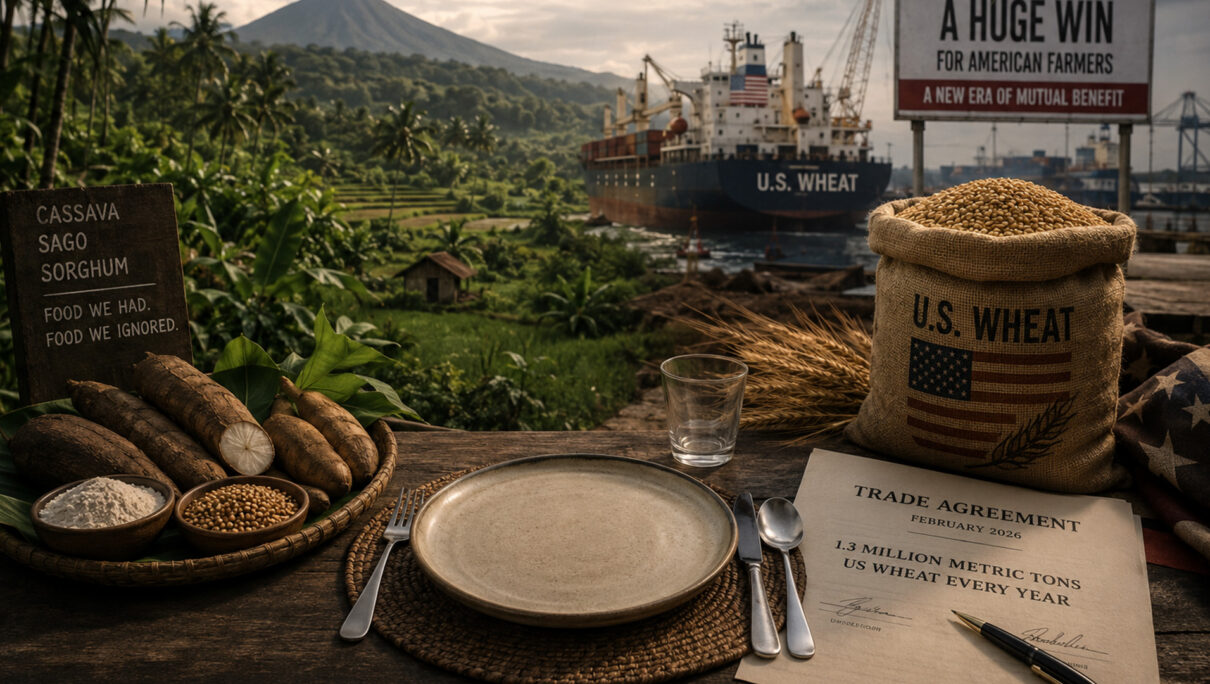
The government never developed what was already here. The cassava. The sago. The sorghum. All of it sitting in the same soil, already feeding people, perfectly adapted, waiting. There are farmers who have been growing these things for generations — planting, harvesting, going quietly deeper into debt every season — while the investment went elsewhere. None of it got the attention. The deal had already been signed, and like all deals with the devil, it did not just need to be honoured. It needed to be fed.
You would think the lesson, after decades of this, would be: invest inward. Protect what is already here. You would think that. But the current answer is palm oil.
Because food is a peculiar form of influence. If you can shape what people eat, you do not just gain a customer. You gain a customer who comes back three times a day. For the rest of their life. And convinces their children it was their idea.
The flour arrived cheaply. A government monopoly was built around it. One company, one crony, controlled most of the nation’s flour supply. The eating pattern shifted, quietly, the way all the most permanent things shift. Eventually nobody was asking why one of the most fertile countries on Earth was building so much of its diet around a crop that would never survive the humidity here. The question simply disappeared.
Nobody wakes up and says: I am dependent on imported wheat. They say: I like bread. They say: I like noodles. They say: this is just what we eat. And that is how a habit graduates into culture. And that is how a market becomes permanent without anyone noticing it was being built.
The government never developed what was already here. The cassava. The sago. The sorghum. All of it sitting in the same soil, already feeding people, perfectly adapted, waiting. There are farmers who have been growing these things for generations — planting, harvesting, going quietly deeper into debt every season — while the investment went elsewhere. None of it got the attention. The deal had already been signed, and like all deals with the devil, it did not just need to be honoured. It needed to be fed.
You would think the lesson, after decades of this, would be: invest inward. Protect what is already here. You would think that. But the current answer is palm oil.
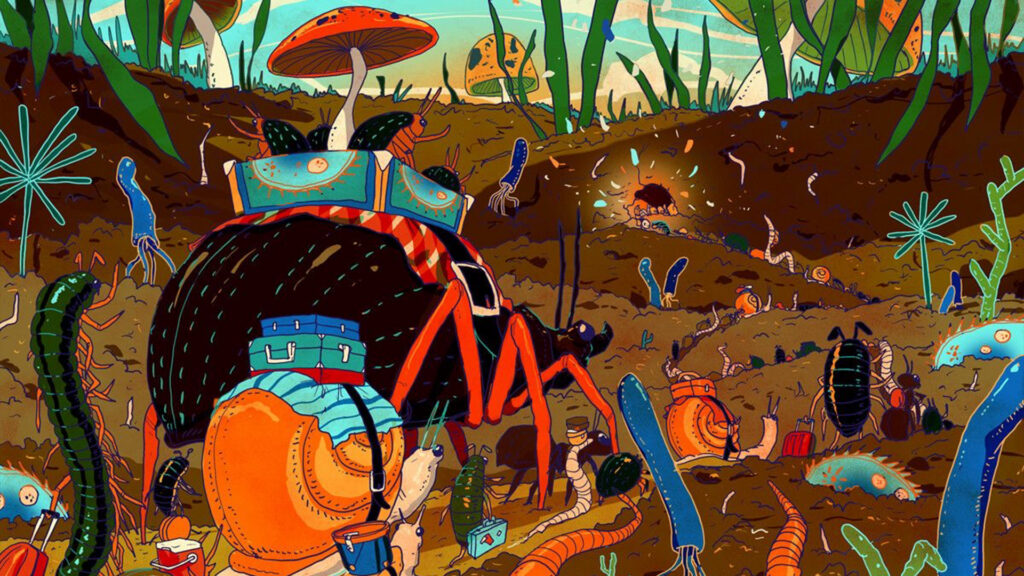
The government has identified twenty million hectares of forest; nearly twice the size of Java for conversion into what it calls food and energy estates. The forest goes. The biodiversity goes with it. The fires follow. The floods follow. The orangutans are not consulted, though to be fair, neither is anyone else who lives there. And the price of fuel keeps rising anyway.
Because businesses cannot use subsidised petrol. When operational costs rise, prices rise. The groceries, the transport, the rent, the food at the warung. The subsidy sits at the pump looking responsible while the actual cost of living does whatever it wants. Someone, somewhere, is doing extremely well from this arrangement. You know it is not the person at the warung.
Which brings us to the most recent document.
In February 2026, Indonesia signed a trade agreement with the United States. Indonesia opened its market — nearly all of it — to American goods. In return, Indonesia committed to purchasing 1.3 million metric tons of American wheat every year. By volume. By contract.
American wheat. Purchased annually by the country with some of the most fertile soil on Earth. The United States called it a huge win for American farmers. Indonesia called it a new era of mutual benefit. These are not the same statement. One party got a market. The other got a discount on the tariff that was used as leverage to get the market in the first place.
The agreement was signed on a Wednesday. The following day, the United States Supreme Court ruled that the legal basis for the tariff pressure behind the deal was unconstitutional. Somewhere, someone signed this with a straight face, which is honestly a talent in itself.
Before anyone gives me a long lecture about how trade is complicated and all parties benefit — I know. I am sure the apples are excellent.
This is not a new story. It is the same story, wearing different paperwork. 1967: rice crisis, wheat deal, dependency manufactured. 2026: trade pressure, wheat deal renewed, now with apples and grapes, as a treat.
Because businesses cannot use subsidised petrol. When operational costs rise, prices rise. The groceries, the transport, the rent, the food at the warung. The subsidy sits at the pump looking responsible while the actual cost of living does whatever it wants. Someone, somewhere, is doing extremely well from this arrangement. You know it is not the person at the warung.
Which brings us to the most recent document.
In February 2026, Indonesia signed a trade agreement with the United States. Indonesia opened its market — nearly all of it — to American goods. In return, Indonesia committed to purchasing 1.3 million metric tons of American wheat every year. By volume. By contract.
American wheat. Purchased annually by the country with some of the most fertile soil on Earth. The United States called it a huge win for American farmers. Indonesia called it a new era of mutual benefit. These are not the same statement. One party got a market. The other got a discount on the tariff that was used as leverage to get the market in the first place.
The agreement was signed on a Wednesday. The following day, the United States Supreme Court ruled that the legal basis for the tariff pressure behind the deal was unconstitutional. Somewhere, someone signed this with a straight face, which is honestly a talent in itself.
Before anyone gives me a long lecture about how trade is complicated and all parties benefit — I know. I am sure the apples are excellent.
This is not a new story. It is the same story, wearing different paperwork. 1967: rice crisis, wheat deal, dependency manufactured. 2026: trade pressure, wheat deal renewed, now with apples and grapes, as a treat.
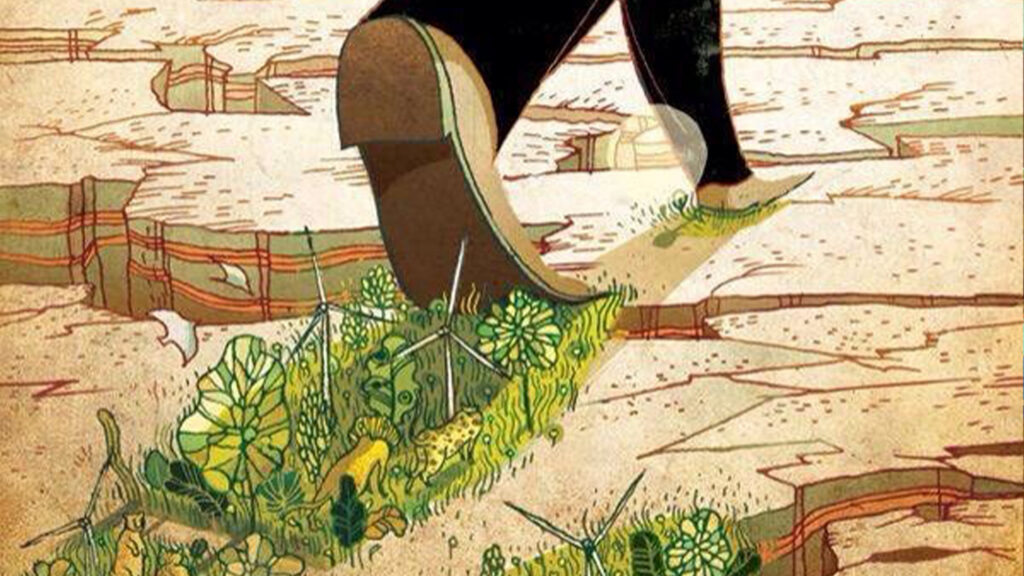
The soil is still fertile. The rain never resigned. The cassava will still grow if you push a stick into the ground, which you can do for free, right now, on some of the most productive land on the planet. Only the habit changed. And habits have a way of surviving long after the circumstances that created them disappear.
A country surrounded by abundance, behaving like a country waiting for abundance to arrive. The table was never empty. It has always been full. We just became convinced, somewhere along the way, that dinner was coming from somewhere else.
And then we signed the contract to make sure it did.
A country surrounded by abundance, behaving like a country waiting for abundance to arrive. The table was never empty. It has always been full. We just became convinced, somewhere along the way, that dinner was coming from somewhere else.
And then we signed the contract to make sure it did.
Imagery curated from Google, Pinterest, and our studio. If your work is here without a name, let us know and we’ll fix it.