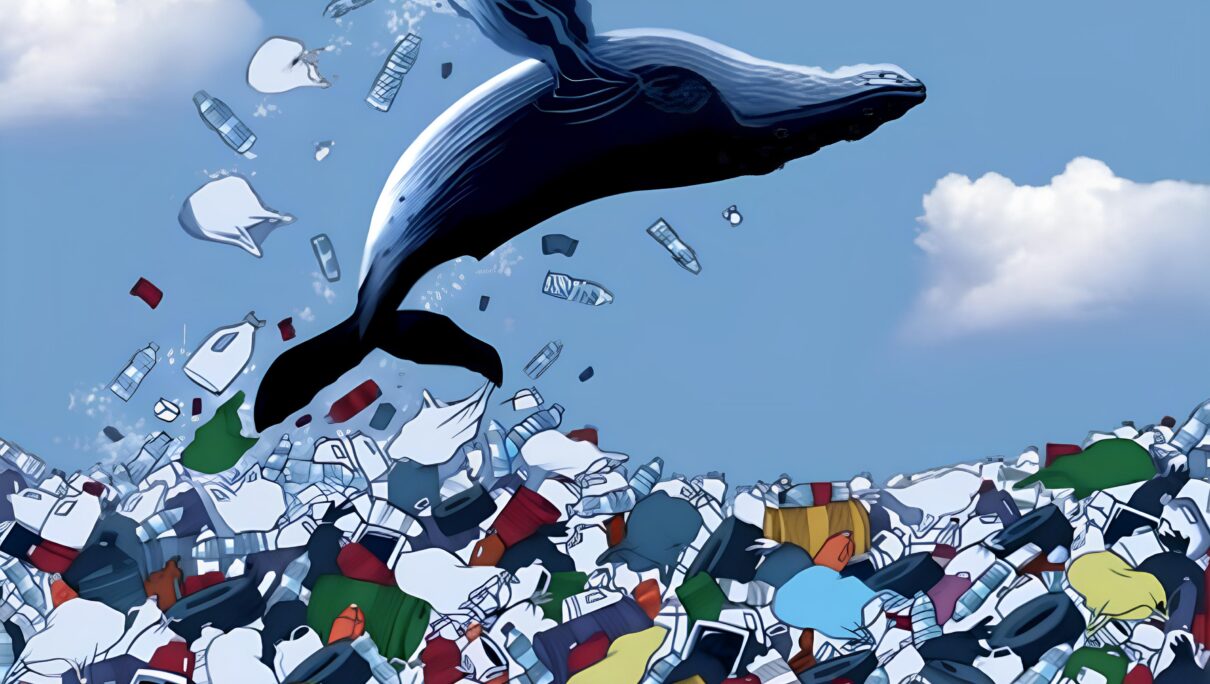
For twenty years, Bali never really managed its waste. It managed the deadlines instead.
Gunung Agung still knows how to hold a view. Every morning the clouds drape themselves over its shoulders like they have for centuries. From the infinity pool of a luxury villa somewhere in Ubud, everything still looks perfect. Until the wind changes direction. Suddenly paradise smells faintly of yesterday’s nasi goreng, disposable diapers, and enough plastic wrapping to package half of Canggu.
Gunung Agung hasn’t changed. We have.
That smell exists because thousands of Balinese are doing what governments hate admitting people eventually do. They’re solving the problem themselves. When Suwung Landfill was ordered to close before a proper alternative existed, rubbish still needed somewhere to go. Rivers were one option. Fire was the other.
The trouble with garbage is that it rarely stays where you leave it. Burn it and everyone breathes it. Throw it into a river and, sooner or later, everyone pays for it. Naturally, the government blamed the rain.
In September 2025, more than 200 millimetres of rain fell in a single day, flooding homes across Bali. Conveniently, rain makes an excellent suspect because it never asks for a right of reply. But even Indonesia’s National Disaster Management Agency admitted the rivers were already blocked by more than 200 tons of rubbish before the storm arrived. The rain wasn’t the problem. The garbage was. The rain simply made it impossible to ignore.
So how does an island that has mastered the art of selling paradise become a place where people burn their own rubbish? The answer is, by mastering the art of managing nothing.
Back in 2004, Bali signed a US$30 million agreement with a company promising to turn Suwung’s mountain of rubbish into electricity. It sounded almost too good to fail. Less waste. More electricity. Cleaner Bali. There was just one small problem, a problem worth about thirty million dollars. Nobody wrote down what would happen if the company simply didn’t do its job.
Which, unsurprisingly, is exactly what happened.
Gunung Agung hasn’t changed. We have.
That smell exists because thousands of Balinese are doing what governments hate admitting people eventually do. They’re solving the problem themselves. When Suwung Landfill was ordered to close before a proper alternative existed, rubbish still needed somewhere to go. Rivers were one option. Fire was the other.
The trouble with garbage is that it rarely stays where you leave it. Burn it and everyone breathes it. Throw it into a river and, sooner or later, everyone pays for it. Naturally, the government blamed the rain.
In September 2025, more than 200 millimetres of rain fell in a single day, flooding homes across Bali. Conveniently, rain makes an excellent suspect because it never asks for a right of reply. But even Indonesia’s National Disaster Management Agency admitted the rivers were already blocked by more than 200 tons of rubbish before the storm arrived. The rain wasn’t the problem. The garbage was. The rain simply made it impossible to ignore.
So how does an island that has mastered the art of selling paradise become a place where people burn their own rubbish? The answer is, by mastering the art of managing nothing.
Back in 2004, Bali signed a US$30 million agreement with a company promising to turn Suwung’s mountain of rubbish into electricity. It sounded almost too good to fail. Less waste. More electricity. Cleaner Bali. There was just one small problem, a problem worth about thirty million dollars. Nobody wrote down what would happen if the company simply didn’t do its job.
Which, unsurprisingly, is exactly what happened.
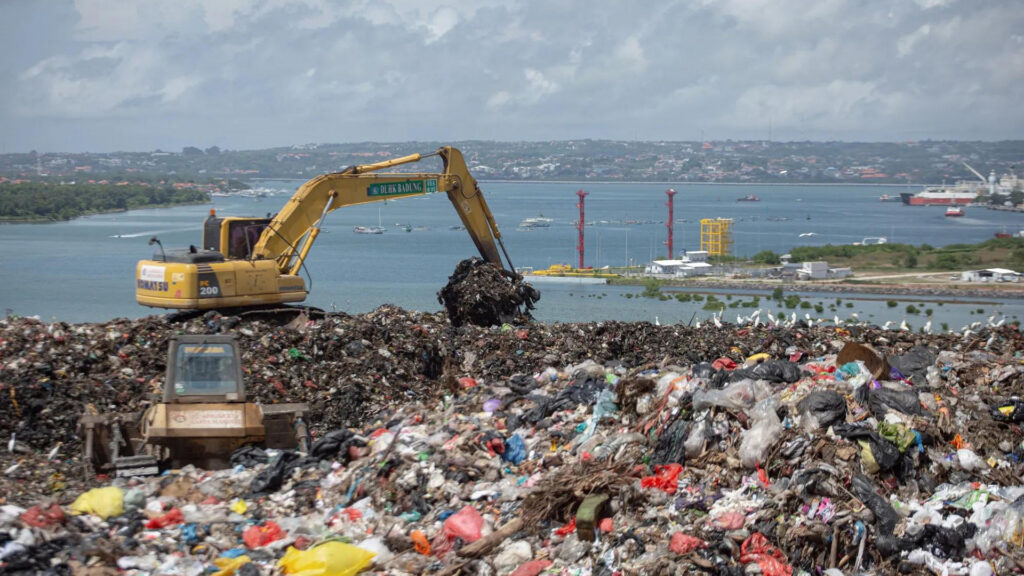
For the next twelve years, the project produced steering committees, consultants, presentations, feasibility studies, workshops, and almost certainly several excellent hotel buffets. Electricity remained stubbornly absent from the agenda. The only thing that kept arriving on schedule was more rubbish.
By the time the contract was quietly terminated, Bali had successfully generated exactly one thing. A landfill twelve metres taller.
Today, Suwung stands around twenty five metres high. The Environment Ministry has announced its closure so many times that the deadlines now have their own history. March became April. April became later. Later became August. After four extensions, “final deadline” feels less like a date and more like a personality trait.
The truly remarkable part is that Bali decided to close the landfill before deciding where much of the waste should actually go. It’s the public policy equivalent of selling your toilet before figuring out plumbing.
Meanwhile, tourism continued booming. More hotels. More villas. More restaurants. More beach clubs. Somewhere along the way, everyone remembered to build another rooftop bar. Nobody remembered to build a place for another six hundred tons of rubbish to go every day. Garbage, rather inconveniently, refused to cooperate.
By the time the contract was quietly terminated, Bali had successfully generated exactly one thing. A landfill twelve metres taller.
Today, Suwung stands around twenty five metres high. The Environment Ministry has announced its closure so many times that the deadlines now have their own history. March became April. April became later. Later became August. After four extensions, “final deadline” feels less like a date and more like a personality trait.
The truly remarkable part is that Bali decided to close the landfill before deciding where much of the waste should actually go. It’s the public policy equivalent of selling your toilet before figuring out plumbing.
Meanwhile, tourism continued booming. More hotels. More villas. More restaurants. More beach clubs. Somewhere along the way, everyone remembered to build another rooftop bar. Nobody remembered to build a place for another six hundred tons of rubbish to go every day. Garbage, rather inconveniently, refused to cooperate.

Now comes the latest chapter. Another waste to energy project. Another ground-breaking ceremony. Another promise that this time will be different. Perhaps it will.
Nobody wants it to succeed more than the people currently breathing their own rubbish every afternoon. But Bali has been hearing “this time” since 2004. If optimism generated electricity, the island would have solved this problem years ago. The real story was never the rain. It wasn’t even the landfill.
The real story is that for twenty years Bali confused announcements with achievements, deadlines with progress, and groundbreaking ceremonies with actual construction. The rubbish kept piling up because promises, despite being produced in extraordinary quantities, are unfortunately not biodegradable.
Maybe this latest project will finally succeed. Bali certainly deserves one that does. Until then, Gunung Agung will continue looking magnificent from every infinity pool on the island.
The view, as always, remains flawless. It’s everything beneath it that’s proving difficult to manage.
Nobody wants it to succeed more than the people currently breathing their own rubbish every afternoon. But Bali has been hearing “this time” since 2004. If optimism generated electricity, the island would have solved this problem years ago. The real story was never the rain. It wasn’t even the landfill.
The real story is that for twenty years Bali confused announcements with achievements, deadlines with progress, and groundbreaking ceremonies with actual construction. The rubbish kept piling up because promises, despite being produced in extraordinary quantities, are unfortunately not biodegradable.
Maybe this latest project will finally succeed. Bali certainly deserves one that does. Until then, Gunung Agung will continue looking magnificent from every infinity pool on the island.
The view, as always, remains flawless. It’s everything beneath it that’s proving difficult to manage.
Imagery curated from Google, Pinterest, and our studio. If your work is here without a name, let us know and we’ll fix it.