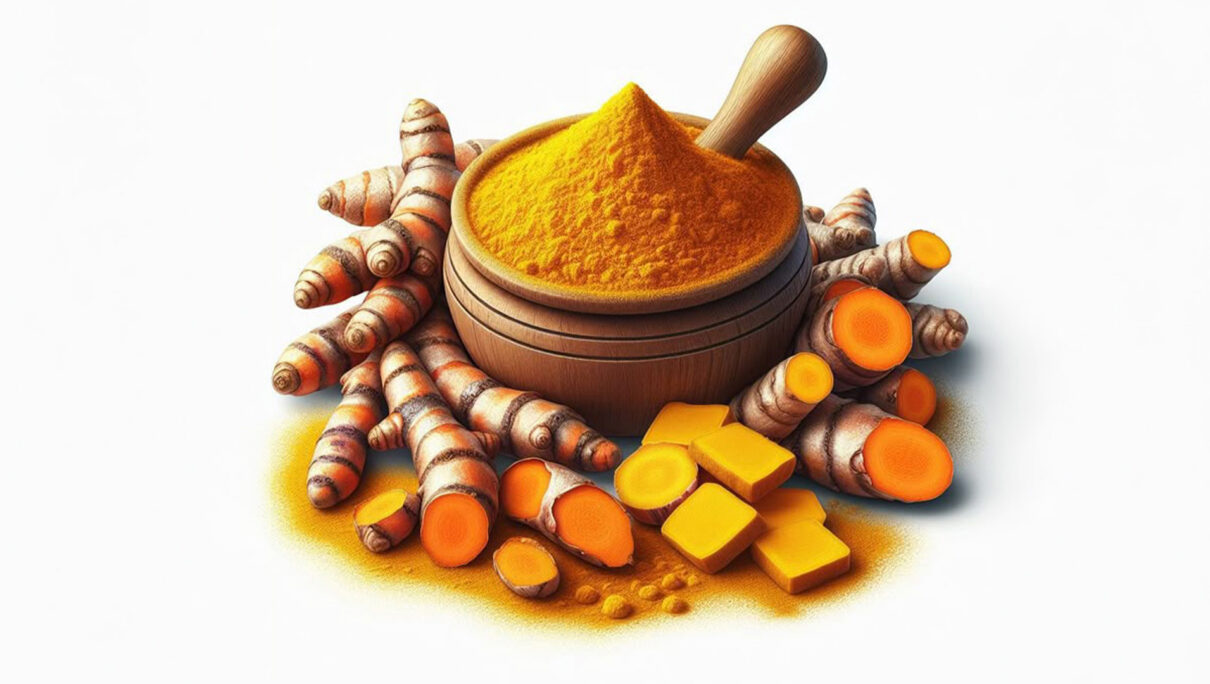
The remarkable journey from grandmother's kitchen to premium wellness subscription.
There is a fascinating business model that has been quietly operating for decades. Take something ordinary in Asia. Wait. Put it on a plane. Give it a minimalist label. Then sell it back to the rest of the world as a breakthrough.
Turmeric may be one of the greatest examples ever produced.
For centuries, turmeric occupied a very modest position in Asian life. It sat in kitchens. It sat in markets. It sat in family recipes. It stained cutting boards and fingertips with equal enthusiasm. Nobody called it a superfood. Nobody wrote a newsletter about it. Nobody charged fifty dollars for a month’s supply. It was simply turmeric. Potent, but simple.
Then one day, somewhere along the way, turmeric acquired a publicist.
Suddenly it was anti-inflammatory. Gut-supporting. Immune-boosting. Ancient wisdom. Scientifically backed. The turmeric itself had changed very little. The marketing had undergone a spiritual awakening. The strange part is not that turmeric works. Because it always does. The strange part is how many people only became interested after someone translated an old Asian tradition into the language of modern wellness and added a subscription model.
And turmeric is hardly alone.
Moringa went through it. Ginger went through it. Coconut oil went through it. Fermented foods went through it. Entire industries now exist around rediscovering things that were never actually lost. This is what makes the whole process so funny. The ingredients often begin their lives as completely unremarkable parts of daily life. Then they travel abroad and return carrying the emotional energy of a TED Talk. A leaf becomes a lifestyle. A root becomes a movement. A grandmother’s recipe becomes intellectual property. The ingredient leaves economy class and returns in business class. Somewhere in California, a founder explains that they discovered this ancient secret while travelling through Asia.
Turmeric may be one of the greatest examples ever produced.
For centuries, turmeric occupied a very modest position in Asian life. It sat in kitchens. It sat in markets. It sat in family recipes. It stained cutting boards and fingertips with equal enthusiasm. Nobody called it a superfood. Nobody wrote a newsletter about it. Nobody charged fifty dollars for a month’s supply. It was simply turmeric. Potent, but simple.
Then one day, somewhere along the way, turmeric acquired a publicist.
Suddenly it was anti-inflammatory. Gut-supporting. Immune-boosting. Ancient wisdom. Scientifically backed. The turmeric itself had changed very little. The marketing had undergone a spiritual awakening. The strange part is not that turmeric works. Because it always does. The strange part is how many people only became interested after someone translated an old Asian tradition into the language of modern wellness and added a subscription model.
And turmeric is hardly alone.
Moringa went through it. Ginger went through it. Coconut oil went through it. Fermented foods went through it. Entire industries now exist around rediscovering things that were never actually lost. This is what makes the whole process so funny. The ingredients often begin their lives as completely unremarkable parts of daily life. Then they travel abroad and return carrying the emotional energy of a TED Talk. A leaf becomes a lifestyle. A root becomes a movement. A grandmother’s recipe becomes intellectual property. The ingredient leaves economy class and returns in business class. Somewhere in California, a founder explains that they discovered this ancient secret while travelling through Asia.

This is usually presented as a remarkable act of exploration. It occasionally sounds like Christopher Columbus finding somebody else’s refrigerator. And to be fair, marketing deserves some credit. Marketing is one of the few professions capable of taking something your grandmother has consumed for fifty years and convincing you it belongs in a wellness starter kit. That requires talent.
The deeper irony is that many Asian societies spend decades being told their traditions are old-fashioned, unsophisticated, or unscientific. Then those exact same traditions reappear with Scandinavian packaging and suddenly become aspirational. The ingredient did not become more valuable. The passport changed. That is often enough.
Perhaps that is why the wellness industry feels so familiar to many Asians. Because beneath the branding, beneath the podcasts, beneath the influencer explaining ancient wisdom into a ring light, there is usually something recognizable sitting underneath it all.
Turmeric. Ginger. Moringa. Fermented vegetables. Herbal tea. Things that spent centuries existing perfectly well without a marketing department. Which is why modern wellness sometimes feels less like innovation and more like international shipping.
The remarkable thing was never that these traditional Asian ingredients worked. Millions of people already knew that. The remarkable thing is how far they had to travel before the world decided they were worth listening to.
The deeper irony is that many Asian societies spend decades being told their traditions are old-fashioned, unsophisticated, or unscientific. Then those exact same traditions reappear with Scandinavian packaging and suddenly become aspirational. The ingredient did not become more valuable. The passport changed. That is often enough.
Perhaps that is why the wellness industry feels so familiar to many Asians. Because beneath the branding, beneath the podcasts, beneath the influencer explaining ancient wisdom into a ring light, there is usually something recognizable sitting underneath it all.
Turmeric. Ginger. Moringa. Fermented vegetables. Herbal tea. Things that spent centuries existing perfectly well without a marketing department. Which is why modern wellness sometimes feels less like innovation and more like international shipping.
The remarkable thing was never that these traditional Asian ingredients worked. Millions of people already knew that. The remarkable thing is how far they had to travel before the world decided they were worth listening to.
Imagery curated from Google, Pinterest, and our studio. If your work is here without a name, let us know and we’ll fix it.